Introduction
TL;DR Your best customers already talk about you. They mention you at lunch. They share your name in group chats. They answer when a friend asks for advice. Every one of those moments can bring you a new buyer.
Referral Marketing gives those moments structure. You invite happy customers to recommend your brand. You reward them when a friend buys. You track every step. The result is a steady stream of trusted leads.
You do not need a big budget. You do not need a large team. You need a good product, a simple offer, and a habit of asking. Small businesses and large brands both use this approach with strong results.
Buyers ignore most ads. They trust people they know. Build a system around that trust and your growth gets easier.
Table of Contents
What Is Referral Marketing?
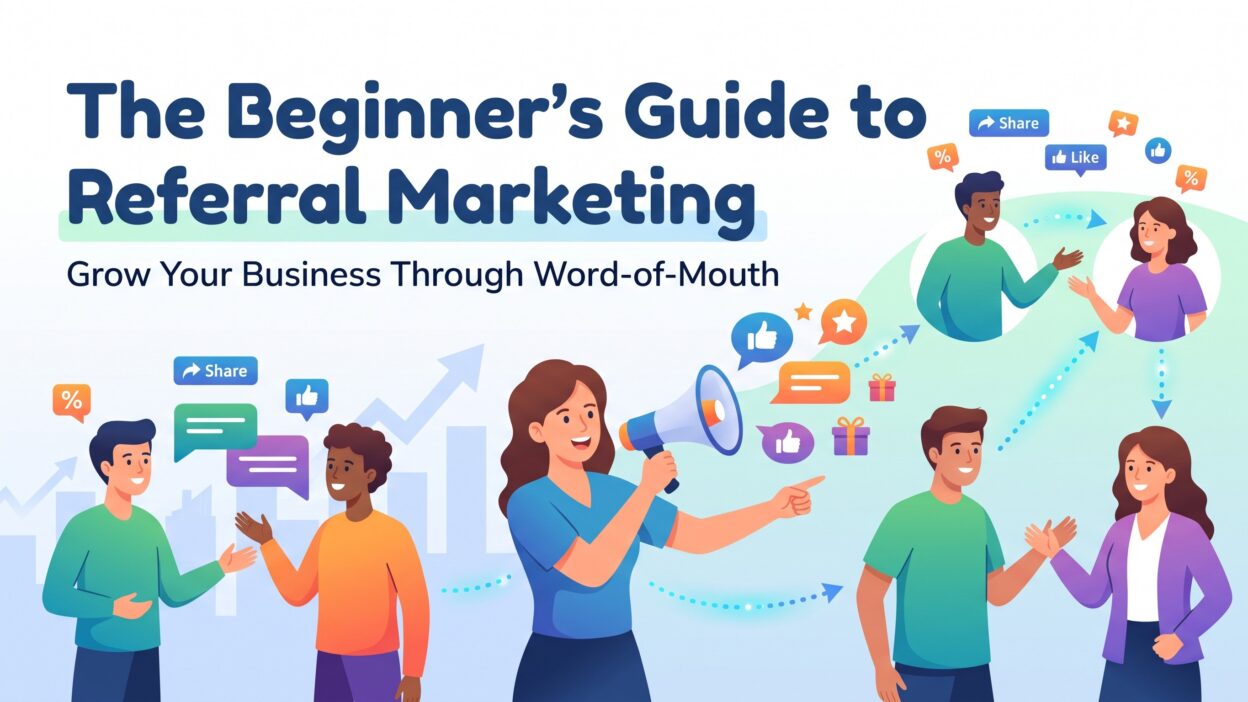
Referral Marketing is a strategy that rewards people for sending new customers to your business. The people may be customers, employees, partners, or fans. Each one shares your brand with someone in their personal circle. The new contact hears about you from a source they trust.
The idea is old. Shop owners have relied on neighbors for centuries. Modern tools add tracking, automation, and rewards. You can now see who shared, who bought, and how much revenue each share produced.
How a Referral Program Works
A customer joins your program and receives a unique link or code. The customer shares that link with a friend. The friend visits your site and makes a purchase. Your system records the sale and credits the sender. The sender receives a reward.
Many programs give the friend a welcome offer too. That offer lifts the odds that the friend buys. Both sides feel they gain something.
Referrals and Word of Mouth
Word of mouth happens on its own. Nobody plans it. You cannot track it with much accuracy. A referral program adds a system. You prompt people to share. You give them tools. You measure the outcome.
Word of mouth supplies the fuel. The program supplies the engine.
Referrals and Affiliate Marketing
Affiliates promote your product to a broad audience. They usually earn a commission. Many never use the product. Referrers know your brand as customers. Their recommendation carries personal proof.
Affiliate programs suit publishers and creators. Referral programs suit customer communities.
Why Referral Marketing Works
Three forces make this approach powerful. Trust, cost, and quality all favor referrals.
Trust Beats Advertising
People believe friends more than ads. Research from firms such as Nielsen has shown for years that buyers rank personal recommendations above most other sources. A friend has no reason to lie. A friend also knows the buyer’s needs.
A referred lead arrives warm. The lead already believes your brand has value. Your job shifts from convincing to confirming.
Lower Acquisition Cost
Ad platforms charge you for clicks whether or not anyone buys. A referral program charges you only after a sale. You control the reward size. You can set it below your normal customer acquisition cost. Your margins stay healthy.
Better Customer Quality
Referred customers often stay longer and spend more. They arrive with realistic expectations. Their friend already explained what to expect. Many companies report stronger retention and higher customer lifetime value among referred buyers. Test this on your own data to confirm the pattern.
Faster Sales Cycles
Trust shortens decisions. Buyers skip a lot of research. Sales teams close faster. In business-to-business sales, an introduction from a happy client opens doors that cold outreach cannot.
Deeper Loyalty
Customers who recommend a brand feel invested in it. Sharing reinforces their own choice. They watch your updates. They give feedback. They defend you when critics speak up. Advocacy turns buyers into partners.
Types of Referral Programs
Programs come in several forms. Pick the one that fits your audience.
Customer Referral Programs
This type is the most common. Existing customers invite friends, family, and colleagues. Online stores, apps, and subscription services use it widely. The process is simple. A customer clicks a share button and sends a link.
Employee Referral Programs
Employees know your product and your culture. They can recommend job candidates or new customers. Recruiters like this route because employee referrals often produce strong hires who stay longer. Sales teams like it because staff members often know potential buyers.
Partner Referral Programs
Partners already serve your target audience. A consultant, an agency, or a complementary software firm can send clients your way. You reward them with a fee, a revenue share, or a joint marketing benefit. Trust between partner and client carries over to you.
Choosing Your Rewards
Rewards drive participation. Several models work well.
Cash pays fast and feels clear. Account credit keeps money inside your business. Discounts give the new buyer a reason to act. Gifts and free products delight fans. Tiered rewards grow with each successful referral and keep top advocates active. Charity donations appeal to values-driven customers.
A double-sided incentive rewards both people. The sender earns a benefit. The friend earns one as well. This structure often beats one-sided offers because it makes sharing feel generous. Nobody feels like a salesperson.
Match the reward to your business. A luxury brand may prefer exclusive access over cash. A software firm may prefer free months. Ask your customers what they value.
Referral Marketing for B2B and B2C Companies
The core idea stays the same across markets. The details change.
Consumer Businesses
Consumer purchases move fast. A friend sends a link by text. The buyer checks the offer and buys within minutes. Simple rewards work best. A discount, a free item, or store credit fits the pace. Share buttons must work on mobile. One tap should open a text or a social post.
Volume matters here. Thousands of small referrals add up to large growth.
Business-to-Business Companies
B2B buying takes longer. Several people join each decision. A referral often arrives as an introduction. A client emails a colleague and vouches for your team. That single message can replace months of outreach.
Volume stays lower. Value per deal runs higher. Rewards should match that scale. Consider account credits, service upgrades, gift cards, or a donation in the client’s name. Some firms avoid cash rewards because of company gift policies. Check rules before you offer anything.
Ask at the right time. Request an introduction after a milestone, such as a successful launch or a strong quarterly review.
How to Build a Referral Marketing Program Step by Step
A strong program follows a plan. Work through these stages in order.
Set Clear Goals
Decide what success looks like. You might want more new customers, lower acquisition cost, or higher retention. Attach numbers. A goal such as “generate 100 referred customers in six months” guides every choice. A goal such as “grow faster” guides nothing.
Find Your Best Advocates
Not every customer will refer. Focus on the ones who love you. Look for high satisfaction scores, repeat purchases, positive reviews, and active social posts. Send a short survey that asks how likely they are to recommend you. Customers who answer with high scores make ideal first participants.
Choose Your Reward
Pick a reward that feels valuable to your audience and affordable to you. Calculate your customer acquisition cost. Set the reward below that number. Test two or three options with small groups. Keep the winner.
Pick the Right Moment to Ask
Timing shapes response. Ask when customers feel happy. Good moments include a successful delivery, a five-star review, a support win, or a milestone in your product. Avoid asking during a problem. Fix the issue and wait.
Make Sharing Effortless
Friction kills programs. Give each customer a personal link. Add one-click buttons for email, text, and social apps. Write a ready-made message that customers can edit. Keep forms short. Every extra step loses participants.
Write Simple Rules
Explain the program in plain language. State the reward, the requirement, and the timing. Say when the reward arrives. Say who qualifies. Say what limits apply. Clear rules prevent disputes and protect trust.
Launch and Promote
Announce the program where customers already look. Use email, your website, your app, order confirmations, and social channels. Add a referral page to your main menu. Train your support and sales teams to mention it. Repeat the message on a schedule.
Start small. Launch with a test group. Fix problems. Expand once the process runs smoothly.
Tools That Support Your Referral Program
Software saves hours and improves accuracy. You can start with simple tools and upgrade later.
Dedicated referral platforms create links, track sales, and pay rewards automatically. They offer templates for landing pages and emails. Many connect with e-commerce systems and payment tools.
Your CRM stores contact records and deal data. It shows which clients referred which prospects. Sales teams rely on it to follow up on introductions.
Email platforms send invitations, reminders, and thank-you notes. Automated workflows trigger messages after a purchase or a positive review.
Survey tools measure customer sentiment. Net Promoter Score surveys identify your likely advocates.
Analytics tools connect referral traffic to revenue. They show which channels and messages perform best.
Small teams can start with a spreadsheet, unique discount codes, and manual payouts. Move to software when volume grows. Choose a tool that fits your budget and integrates with your current systems.
Legal and Ethical Basics
Rules protect your brand and your customers. Learn them before you launch.
Honesty comes first. Advertising authorities in many countries require people to disclose paid recommendations. A referrer who posts a link on social media should state the reward. Guide your advocates with a short disclosure line they can copy.
Privacy laws apply. Ask for consent before you email a referred friend. Never scrape contacts from a customer’s address book without clear permission. Follow rules such as GDPR and CAN-SPAM.
Some industries limit rewards. Financial services, healthcare, and insurance often face strict regulations. Consult a lawyer before you design incentives in those fields.
Program terms should state limits, fraud rules, and how you handle disputes. Clear terms build trust.
How to Measure Referral Marketing Results
Numbers show whether your program earns its place. Track a few core metrics.
Participation rate shows the share of customers who join. A low rate signals weak promotion or a poor reward. Share rate shows how many participants send invitations. Conversion rate shows how many invited friends buy. Compare it with the conversion rate of other channels. Referral traffic usually converts well.
Viral coefficient measures how many new customers each existing customer brings. A number above one means your base grows on its own. Most programs land below one. Even a modest number lowers your costs.
Cost per referred customer shows the reward plus platform fees. Compare it with your normal customer acquisition cost. The gap tells you the savings.
Customer lifetime value of referred buyers shows their long-term worth. Track retention and average order size. Compare them with non-referred customers.
Revenue from referrals shows the total business impact. Report it each month.
Review the data regularly. Test new rewards, messages, and timing. Small tests reveal large gains. Share wins with your team. Everyone enjoys seeing real customers bring in real revenue.
Common Referral Marketing Mistakes to Avoid
Beginners repeat a handful of errors. You can dodge them.
Weak rewards produce weak results. A tiny discount does not motivate anyone. Test bigger offers and see how participation changes.
Hidden programs attract nobody. Many companies bury the referral page in a footer. Put it in emails, receipts, and account dashboards.
Complicated rules confuse people. Long terms and multiple steps drive customers away. Keep the offer short and clear.
Slow payouts damage trust. A customer who waits two months for a reward will not share again. Pay quickly and send a thank-you note.
Asking too early backfires. A new customer has not yet experienced your value. Wait for a positive moment.
Ignoring fraud creates losses. Some users create fake accounts to claim rewards. Set limits, verify purchases, and review unusual patterns.
Skipping the product itself dooms the program. Referrals amplify what already exists. A poor product gets poor recommendations. Fix quality first.
Forgetting to thank advocates wastes goodwill. Recognize top referrers publicly or privately. Gratitude keeps them active.
Ideas to Boost Your Program
Once the basics run smoothly, try a few upgrades.
Add milestones. Reward a customer who brings three friends with a bonus gift. Progress bars make the goal visible and fun.
Run limited-time campaigns. Double the reward during a holiday week. Urgency drives action.
Use social proof. Show real stories of people who referred friends and enjoyed the reward. Photos and short quotes make the offer feel real.
Segment your audience. Send different messages to new customers, loyal customers, and high spenders. Tailor rewards to each group.
Create a VIP tier. Invite your top ten advocates into a private group. Give them early access to products and a direct line to your team. These fans often become your loudest supporters.
Ask for feedback. Send a short survey to participants and non-participants. Learn what would make them share more.
Keep experimenting. Every audience responds a little differently.
Frequently Asked Questions
What is the best way to start Referral Marketing on a small budget?
Start with your happiest customers. Create a simple offer, such as a discount for both sides. Use unique codes and a spreadsheet to track results. Email your top customers and ask them to share. Upgrade to software once volume grows.
How long does Referral Marketing take to show results?
Early shares often appear within days of launch. Steady growth usually takes two to three months. B2B programs may need longer because deals take more time to close. Track leading signs such as participation and share rates.
How much should I pay for a referral?
Keep the reward below your customer acquisition cost. Many businesses aim for a reward between ten and thirty percent of a first purchase or a first-year contract. Test different amounts. Watch both participation and profit.
Do referral programs work for service businesses?
Yes. Consultants, agencies, clinics, and contractors rely on recommendations. Rewards can include service credits, gift cards, or thank-you gifts. Personal outreach often works better than automated emails in this space.
Who should own the program inside my company?
Marketing usually leads. Sales, customer success, and support should join. Customer success teams know your happiest clients. Sales teams handle introductions. Shared ownership keeps the program active.
Can I run a referral program without software?
You can. Unique discount codes and a tracking sheet work for small volumes. Manual work grows quickly, so plan an upgrade path.
What if customers refuse to participate?
Look at the offer and the timing. Ask a small group why they did not share. Some may find the reward weak. Others may never see the invitation. Adjust and test again.
Are referral rewards taxable?
Rules depend on your country and the reward type. Cash and high-value gifts may count as taxable income. Ask an accountant before you launch a large program.
Read More:-Verified Data for AI Agents: How GTM AI Grounds Agent Output
Conclusion

Referral Marketing works because people trust people. A friend’s recommendation beats a banner ad. It costs less. It brings better customers. It builds loyalty that lasts.
You now have a full picture. You know what the strategy is and how it differs from word of mouth and affiliate work. You know the main program types and reward models. You have a step-by-step plan, a list of tools, and a set of metrics. You also know the mistakes to avoid.
Take action this week. Pick your best twenty customers. Write a short, warm invitation. Offer a fair reward to both sides. Send the message and watch what happens.
Learn from the first results. Adjust the reward. Improve the timing. Add a landing page. Expand to more customers.
Every business already has advocates. Your job is to invite them, thank them, and make sharing easy. Start today and let your happiest customers grow your business.