Introduction
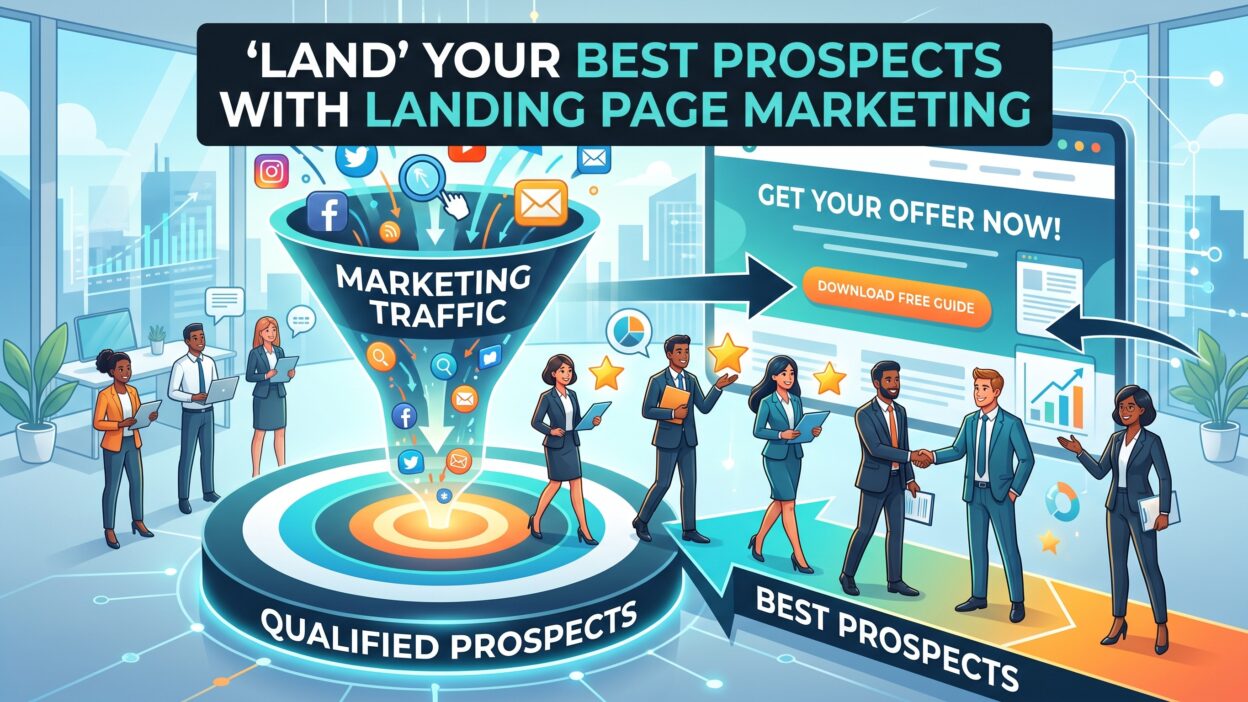
TL;DR Landing Page Marketing turns curious clicks into paying customers. A landing page carries one job. It guides a visitor toward one clear action. Landing Page Marketing works because it removes every distraction from that path. Every button, every line, and every image points toward a single goal.
Businesses use Landing Page Marketing to capture leads, sell products, and grow their email lists. Marketers rely on this approach because generic web pages spread attention too thin. A landing page keeps that attention locked in one place.
This guide walks through the full picture of Landing Page Marketing. You get real strategies, real examples, and real answers to common questions. Read through each section and build a page that actually converts.
Table of Contents
What Is Landing Page Marketing
Landing Page Marketing means creating standalone web pages built around one specific goal. A landing page differs from a regular homepage in a big way. A homepage offers many links and many choices. A landing page offers one link and one choice.
Visitors land on this page after clicking an ad, an email link, or a social media post. The page speaks directly to that visitor’s exact need. Landing Page Marketing focuses on relevance above everything else.
The message on the page must match the message in the ad. Marketers call this idea “message match.” Visitors notice this match within a few seconds of arrival. A strong match builds trust instantly. A weak match sends the visitor away fast.
Landing Page Marketing also depends on simplicity. The page avoids extra navigation menus. It avoids sidebar links and footer clutter. Every design choice supports one outcome. This focus separates a true landing page from a normal website page.
Search engines also reward this focus. A page built around one topic ranks better for related search terms. Landing Page Marketing blends design, copywriting, and search visibility into one package.
Why Your Business Needs Landing Page Marketing
Landing Page Marketing delivers results that generic web pages rarely match. Companies build dedicated pages for a reason. These pages focus attention on one offer. Focused attention creates real action from real visitors.
Higher Conversion Rates
A focused page converts better than a cluttered homepage. Visitors don’t get lost inside menus or extra links. They see the offer and they act right away. Landing Page Marketing removes friction from the entire buying process. Less friction always means more sales and more leads. A visitor who feels confused rarely completes a purchase. A visitor who feels guided usually finishes the form.
Better Ad Spend Results
Ad campaigns waste money without a proper landing page behind them. A generic homepage confuses visitors who clicked a specific ad. A dedicated page keeps the exact promise made inside that ad. This consistency lowers your cost per lead over time. Landing Page Marketing protects your ad budget from silent leaks. Marketers who skip this step often blame the ad platform for poor results. The real problem usually sits on the page itself.
Clear Customer Journey
Customers want a simple path toward their goal. They don’t want to search for basic information. A landing page hands them everything inside one screen. Headlines, images, and buttons guide their very next step. This clarity builds real confidence in your brand. A confused customer leaves without buying. A guided customer completes the action within minutes.
Core Elements of a High-Converting Landing Page
Every strong page shares a few essential building blocks. Landing Page Marketing success depends heavily on these elements working together.
Headline and Value Proposition
Your headline earns the first moment of attention. It states the core benefit in plain, direct words. Visitors decide within seconds whether to keep reading. A weak headline loses the visitor instantly. A strong headline answers one simple question: what’s in it for me? Keep the headline short. Keep the promise specific. Avoid vague claims that sound like every other brand online.
Visual Design and Layout
Clean design keeps eyes locked on the offer. Too many colors distract the visitor from the message. Too much text tires the reader within seconds. White space gives the page room to breathe naturally. Images should support the message rather than replace it. A cluttered layout signals a low-quality brand. A clean layout signals confidence and professionalism.
Call-To-Action Placement
The call-to-action button deserves the full spotlight. Place it above the fold for quick, easy visibility. Repeat this button further down for readers who scroll. Use action words like “Get,” “Start,” or “Claim” inside the button. A weak phrase like “Submit” kills excitement instantly. Color contrast also matters for this single button. It should stand apart from the rest of the page.
Trust Signals and Social Proof
Reviews, testimonials, and client logos build real credibility. Visitors trust other customers more than they trust brand claims. Security badges reassure buyers during checkout moments. Case studies prove your product works inside real situations. Trust signals close the gap between curiosity and purchase. Skip this element and visitors hesitate right at the final step.
Types of Landing Pages Used in Landing Page Marketing
Landing Page Marketing includes several distinct page formats. Each format serves a different business goal.
Lead Generation Landing Pages
These pages collect contact details through a simple form. Marketers offer an ebook, a checklist, or a free trial in exchange. The form stays short to reduce dropout rates. Fewer fields always lead to more completed submissions. This page type works well at the top of your funnel.
Click-Through Landing Pages
These pages warm up the visitor before an actual purchase. They explain benefits and features in careful detail. A single button then sends the visitor toward checkout. E-commerce brands rely on this format often. The goal here focuses on education first and action second.
Product Landing Pages
A product page showcases one single item or service. Images, specifications, and pricing sit together on one screen. Visitors compare features without leaving that single page. This format works especially well for software launches and new product drops.
Event Registration Pages
Webinars, conferences, and workshops rely on this page type. The page lists the date, time, and speaker details clearly. A countdown timer often adds real urgency to the offer. Registration forms stay simple and quick to complete.
Landing Page Marketing Strategy Step by Step
A solid strategy turns a plain page into a real lead machine. Follow these steps in order for the best results.
Define Your Goal
Pick one clear outcome for the page. Maybe you want signups for a newsletter. Maybe you want direct purchases of a product. One goal keeps the entire design focused and sharp. Mixed goals confuse both the designer and the visitor. Decide early and stay committed to that single goal.
Know Your Audience
Research your ideal customer before writing a single word. Understand their problems and their everyday language. Speak using words they already use in their own conversations. This connection makes your copy feel personal and real. Generic language feels cold and distant to most readers.
Write Compelling Copy
Short sentences work better than long, stretched paragraphs. Focus each line on one clear benefit. Avoid jargon that confuses new visitors right away. Read your copy aloud to catch awkward phrasing early. Strong copy turns casual readers into real leads within minutes. Cut every unnecessary word from your final draft.
Test and Optimize
Split testing compares two versions of the same page. Change only one element at a time during each test. Track which version earns more conversions over a set period. Small tweaks like button color can shift results in a big way. Landing Page Marketing improves through constant, patient testing. Skip this step and you leave real growth on the table.
Landing Page Marketing for PPC Campaigns
Pay-per-click ads and landing pages work as one team. Google Ads and Facebook Ads send traffic straight toward a page built for conversion. A mismatched page wastes every single click you paid for. Quality Score inside Google Ads rewards relevant, focused landing pages. A higher Quality Score lowers your overall cost per click.
Landing Page Marketing directly affects both your ad performance and your budget. Marketers build separate pages for each individual ad group. This separation keeps the message tight and specific for every audience segment. A single generic page can never match the relevance of several targeted pages.
PPC traffic also behaves differently than organic traffic. Visitors from paid ads expect an instant, exact match to what they clicked. Any delay or confusion causes them to leave within seconds. A dedicated PPC landing page removes that risk completely. Marketers who pair Landing Page Marketing with careful PPC targeting see stronger returns on every dollar spent.
Common Mistakes in Landing Page Marketing
Many businesses lose conversions through simple, avoidable errors. Slow loading speed drives visitors away within just a few seconds. Too many form fields scare off busy prospects immediately. Multiple links pull attention away from the main offer on the page.
Weak headlines fail to grab any real interest. Missing mobile optimization breaks the entire experience on phones and tablets. Skipping A/B tests leaves real money sitting on the table. A page without a clear call-to-action confuses even interested visitors.
Landing Page Marketing demands close attention to these small, easy-to-miss details. One broken form field can silently kill an entire campaign. One slow-loading image can push bounce rates far too high. Regular audits catch these problems before they cost you real leads.
Tools for Landing Page Marketing
Several platforms make page building genuinely simple today. Unbounce offers drag-and-drop design for marketers without any coding skills. Leadpages provides ready-made templates built for quick lead capture. Instapage supports team collaboration across large, complex campaigns.
HubSpot combines landing pages with full CRM tracking in one dashboard. Google Optimize helps teams run split tests directly on live pages. Hotjar shows heatmaps that reveal exactly where visitors click and scroll. These tools speed up Landing Page Marketing for teams of any size and budget.
Choosing the right tool depends on your team’s technical comfort. Small teams often prefer simple drag-and-drop builders. Larger teams often need deeper analytics and CRM integration built into the same platform.
Measuring Success in Landing Page Marketing
Numbers tell the real story behind every page you build. Conversion rate shows the percentage of visitors who complete your stated goal. Bounce rate reveals how many visitors leave without taking any action. Average time on page shows the real engagement level of your audience.
Cost per lead ties your ad spending directly to real business results. Click-through rate shows how well your ad copy matches visitor intent. Track these metrics on a weekly basis to catch problems early. A sudden drop in conversion rate often points toward a broken form or a slow page.
Consistent tracking keeps your Landing Page Marketing efforts sharp and profitable. Data removes guesswork from every future decision. Teams that review numbers regularly outperform teams that rely on gut feeling alone.
Frequently Asked Questions
What is landing page marketing in simple terms? Landing page marketing means building a focused page for one specific action. That action might be signing up, downloading a file, or buying a product.
How is a landing page different from a regular website page? A website page offers many links and many choices. A landing page offers one clear message and one single action.
How long should a landing page be? Length depends entirely on your offer. Simple offers need short, quick pages. Complex products need longer pages with more detail and more trust signals.
What makes a landing page convert well? A clear headline, a strong call-to-action, and solid trust signals work together to drive real conversions.
Do I need a professional designer to build a landing page? No. Tools like Unbounce and Leadpages let anyone build a clean page without coding or design experience.
How often should I update my landing page? Review your page every month. Update copy, images, and offers based on real performance data.
Can one landing page work for multiple ad campaigns? A dedicated page for each campaign usually performs far better than one shared page across many campaigns.
Read More:-7 Best PandaDoc Integrations [2026]
Conclusion
Landing Page Marketing turns random traffic into real, paying customers. Every element on the page serves one clear purpose. Clear headlines, strong calls-to-action, and honest trust signals work together toward one outcome.
Testing and tracking keep your pages sharp over time. Start with one goal, one audience, and one message. Build your entire page around that single focus.
Your prospects will notice the difference right away. Your conversion numbers will show that difference too. Landing Page Marketing rewards businesses that stay patient, test often, and refine constantly.