
Introduction
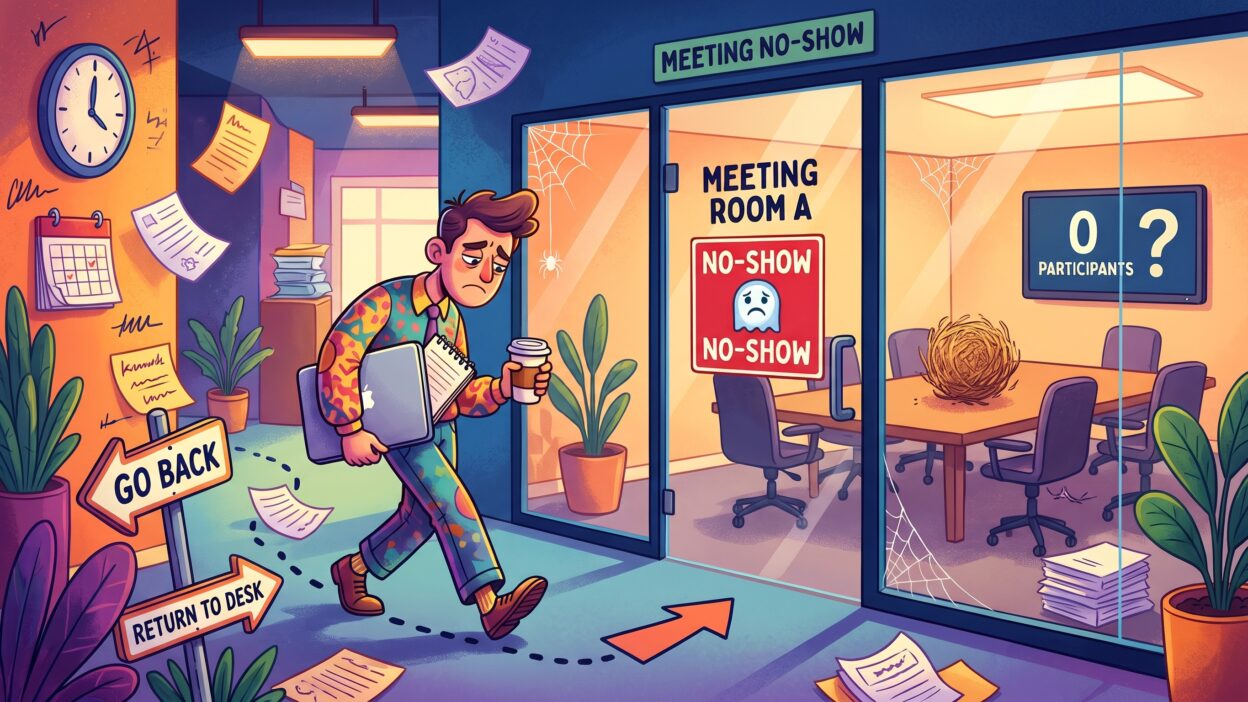
TL;DR You block the time. You prepare your notes. You join the call early. Nobody shows up.
Every seller knows this feeling. It stings. It wastes an hour. It also puts a deal at risk.
Most people react in one of two ways. Some send an angry email. Others say nothing and move on. Both choices lose leads.
A strong Meeting No-Show Follow-Up fixes this problem. A missed meeting is not a rejection. It is a moment. Your prospect may have forgotten. A fire may have broken out at work. Their calendar may have glitched. Many of these people still want to talk.
Table of Contents
What Is a Meeting No-Show Follow-Up?
A Meeting No-Show Follow-Up is the message you send after someone skips a scheduled meeting. You reach out to understand what happened. You offer a new time. You keep the relationship warm.
The message can travel by email, text, phone, or social chat. Email works best for most teams. A short text works well for quick reminders. A call suits high-value deals.
The Goal of the Message
The goal is simple. You want to rebook the meeting. You do not want to scold the person. You do not want to guilt them. You want to make the next step easy.
Who Uses This Tactic
Sales reps use it to protect pipeline. Recruiters use it to reconnect with candidates. Consultants use it to save paid sessions. Coaches use it to keep clients on track. Customer success managers use it to rescue onboarding calls. Each group faces the same hurdle. Each group needs a calm, friendly nudge.
Why Speed Matters
Time works against you. A prospect who misses a call feels a bit embarrassed. That feeling grows if you wait. A quick, kind note removes the awkwardness. A late note makes the gap feel bigger.
Why Prospects Miss Meetings
Understanding the cause helps you write a better message. Most no-shows have simple reasons.
Honest Forgetfulness
People juggle dozens of tasks. A calendar alert may slip past. A meeting booked two weeks ago may fade from memory. Forgetting is the most common cause.
Surprise Conflicts
Bosses call urgent meetings. Clients raise emergencies. Kids get sick. Flights run late. These events happen without warning. Most people feel bad about them.
Weak Interest
Some prospects lose interest after booking. A better offer may have appeared. Their priorities may have shifted. This group needs a softer approach.
Technical Problems
Links break. Time zones confuse. Calendar invites land in spam. A person may wait in the wrong room. Technical errors cause more no-shows than most teams admit.
Unclear Value
A vague invite gives the prospect little reason to join. A clear agenda raises attendance. Your invite plays a big role.
Low Commitment
Prospects who book through a free link often feel less committed. They clicked fast. They did not think hard. Reminders and prep steps raise their commitment.
Match your Meeting No-Show Follow-Up to the likely cause. Kindness fits most cases.
The Real Cost of Missed Meetings
A no-show costs more than one hour. The damage spreads in several ways.
Lost Time
Your calendar fills with gaps. You cannot fill a missed slot at the last minute. Prep work goes to waste.
Slower Pipeline
Every missed call delays the next step. Deals stall. Your forecast slips. Your manager asks questions.
Lower Morale
Repeated no-shows drain energy. Reps start to doubt their leads. A poor mood harms performance.
Higher Acquisition Costs
You paid to attract that lead. Ads, content, and outreach cost money. A missed meeting wastes that spend.
Missed Revenue
Industry studies often put no-show rates between twenty and forty percent for sales calls. Imagine cutting that number in half. Your revenue would rise without a single new lead.
A thoughtful Meeting No-Show Follow-Up recovers a large share of this lost value. It costs little. It pays well.
When to Send Your Meeting No-Show Follow-Up
Timing makes or breaks your message. Send it fast, but not too fast.
Wait Ten to Fifteen Minutes
Give the prospect a short grace period. Many people run late. Stay on the call for ten minutes. Send a quick chat message in the meeting room if the tool allows it.
Send the First Note Within the Hour
Reach out within an hour of the missed time. The event is still fresh. The prospect remembers the invite. A prompt note feels caring, not pushy.
Follow Up the Next Day
If nobody replies, send a second note the next morning. Keep it short. Offer new times. Add one small piece of value.
Try a Different Channel
Switch channels after two silent emails. A short text or a call may reach the person. Some prospects check chat apps more than email.
Stop After Three or Four Touches
Space your touches over about two weeks. Stop after that. A final note can say that you will close the loop. Many prospects reply to this message because it removes pressure.
Respect Time Zones
Check the prospect’s location. Send your note during their business hours. A message that arrives at midnight looks careless.
Good timing turns every Meeting No-Show Follow-Up into a helpful nudge instead of a nag.
How to Write a Meeting No-Show Follow-Up
Your message has one job. It must earn a reply. Keep it light, short, and clear.
Open With Warmth
Start with the person’s name. Add a friendly line. Say you missed them. Avoid blame. A line like “Sorry we missed each other today” works well.
Show Understanding
Tell them that things come up. This line removes shame. People reply faster when they feel safe.
Make Rebooking Easy
Offer two or three new time slots. Add a calendar link. Let the prospect pick with one click. Fewer steps lead to more replies.
Add a Small Piece of Value
Share a short tip, a case study, or a one-page agenda. Give them a reason to care. A little value reminds the prospect why they booked.
Ask One Clear Question
Ask if they want to reschedule. A yes or no question works best. Avoid stacking several requests.
Keep the Tone Human
Write the way you talk. Use plain words. Skip jargon. Skip guilt. Phrases such as “I am sure you are busy” sound kind. Phrases such as “You wasted my time” kill deals.
Keep It Short
Aim for under eighty words. Busy readers scan. Short messages get answers.
Check Your Subject Line
Use a short subject. “Missed you today” feels warm. “Let us find a new time” feels helpful. Avoid all caps and fake urgency.
Meeting No-Show Follow-Up Templates You Can Adapt
Templates save time. Add a personal touch to each one before you send it.
First Email Within an Hour
“Hi Priya, sorry we missed each other today. I know schedules shift. I held the time for our chat on onboarding. Would Thursday at 10 a.m. or Friday at 2 p.m. work for a new slot? You can also pick a time here: [link].”
Second Email the Next Day
“Hi Priya, I wanted to follow up on yesterday’s missed call. I put together a one-page agenda to make our talk quick. We can cover it in fifteen minutes. Does a short call this week suit you?”
Short Text Message
“Hi Priya, it is Sam from Brightline. We missed each other on the call today. No worries. Here is a link to pick a new time: [link].”
Message for a High-Value Lead
“Hi Daniel, I hope your day is going well. I know things pop up. I would still love to share how we helped a similar team cut reporting time by a third. Could we try a quick call tomorrow morning? I can work around your schedule.”
Break-Up Email
“Hi Priya, I have not heard back, so I will close this thread for now. If timing changes, here is my calendar link: [link]. I wish you the best with your plans.”
Each message follows one pattern. It opens warmly. It shows understanding. It offers easy options. It asks one light question. Use that pattern in every Meeting No-Show Follow-Up you write.
Choose the Right Channel
Different prospects prefer different channels. Pick the one that fits.
Email suits most B2B contacts. It gives you room for a short message and a calendar link. It also leaves a clear record.
Text Message
Text gets read fast. Use it for quick nudges. Always get permission first. Keep the note under two sentences.
Phone Call
A call works for high-value deals. A friendly voice can break the ice. Leave a short voicemail with your name, your reason, and your number.
Social Messages
LinkedIn works well for professional contacts. A short direct message feels less formal than email. Use it when email goes unanswered.
Chat Apps
Some regions favor chat apps. Use them when the prospect already uses one with you. Respect their preferences and local norms.
Mix channels across your sequence. A varied approach raises your odds of reaching the person.
Build a Smart Meeting No-Show Follow-Up Sequence
A simple sequence beats random messages. Plan the steps once. Run them each time.
The Quick Check
Send a short chat or text a few minutes after the start time. Ask if the prospect needs help joining.
Step Two: The Warm Email
Send a friendly email within the hour. Offer new times and a calendar link.
The Value Touch
Send a second message the next day. Share a helpful resource. Remind the prospect of the benefit of the call.
The Channel Switch
Try a call or a social message on day three or four. A new channel can break through the silence.
The Break-Up Note
Send a final message about a week later. State that you will close the file. Leave the door open.
Tailor the sequence to your sales cycle. Short cycles need fast steps. Long cycles allow more space. Log every touch in your CRM. Your team sees the full story. A tidy Meeting No-Show Follow-Up sequence protects your brand.
Automate Without Losing the Human Touch
Manual tracking breaks down at scale. You may host dozens of meetings each week. Automation helps.
Detect No-Shows Automatically
Many meeting tools flag when a guest does not join. Your CRM can then trigger a task or an email. Test the setup with a sample meeting.
Use Smart Triggers
Set a trigger for ten minutes after the start time. Send the first message only if the guest has not joined. This rule avoids awkward mistakes.
Personalize Each Message
Use merge fields for name, company, and topic. Add one custom line for high-value leads. A generic email feels cold.
Pause Sequences After a Reply
Stop the sequence when the prospect responds. Nothing looks worse than a robot that keeps sending messages after a reply.
Review Before Scaling
Read a few sent messages every week. Check tone and accuracy. Fix any errors fast. Smart teams blend software speed with human care in every Meeting No-Show Follow-Up.
Prevent No-Shows Before They Happen
The best fix is prevention. A few habits cut no-show rates sharply.
Send Clear Invites
Write a clear title. Add a short agenda. State the length of the call. Include the link or address. A strong invite sets the tone.
Confirm the Booking
Send a confirmation right after the prospect books. Repeat the date, the time, and the link. Add the name of the person they will meet.
Use Layered Reminders
Send a reminder one day before. Send another one hour before. Send a third five minutes before if you can. Email and text together work best.
Add Prep Steps
Ask the prospect to answer one short question before the call. This small action raises commitment. It also helps you prepare.
Share Value Early
Send a short resource after booking. A helpful tip reminds the prospect why they said yes.
Offer Easy Rescheduling
Add a reschedule link to every reminder. People who can move a call with one click rarely skip it.
Book Sooner
Long gaps between booking and meeting raise no-show rates. Try to book calls within two or three days. Fast scheduling keeps interest high.
Qualify Before You Book
Ask a few questions before you share your calendar. A short form filters out weak leads. Stronger leads attend more often.
Prevention reduces the need for a Meeting No-Show Follow-Up. It never removes that need entirely.
Handle Different Types of No-Shows
Not every no-show looks the same. Adjust your approach.
First-Time No-Show
Treat this as an honest slip. Send a warm, short note. Offer new times.
Repeat No-Show
A second miss signals a pattern. Add a gentle check on interest. Ask if the timing still fits. Offer to pause the conversation. Honesty respects both sides.
High-Value Prospect
Invest more effort. Call the person. Ask a colleague to nudge them. Send a personal note from a senior leader.
Internal Team Member
Sometimes your own colleague misses a meeting. Handle this with care. Check on them first. Reschedule with understanding.
Customer on a Paid Plan
Customers who miss onboarding or review calls need extra care. Their success affects your retention. Offer a flexible time. Explain the benefit of the session.
Candidate or Interviewee
Recruiters face this often. A missed interview may signal a change of heart. Send a polite note. Offer one new slot. Move on after that.
Each case calls for a tailored Meeting No-Show Follow-Up. Read the situation before you write.
Common Mistakes to Avoid
Even strong teams slip. Learn these traps early.
Sending an Angry Message
Anger ends deals. A snappy note makes the prospect defensive. Keep your tone kind.
Waiting Too Long
A week of silence signals low priority. Reach out within the hour.
Writing Long Emails
Long messages punish tired readers. Keep the note brief.
Offering Only One Time Slot
One option feels rigid. Offer two or three. Add a calendar link for full control.
Sending Too Many Touches
Five messages in two days feels like pressure. Space your contacts. Stop after a reasonable number.
Ignoring the Data
Some teams never check why people miss. Track patterns. Look at lead source, booking time, and reminder use.
Forgetting to Update the CRM
Missing notes create duplicate outreach. Log each touch so the whole team stays aligned.
Skipping the Reminder System
Weak reminders cause many no-shows. Fix this before you worry about messages.
Measure Your Results
You cannot improve what you do not track. Choose a few clear numbers.
No-Show Rate
Divide missed meetings by total booked meetings. Track this number weekly. A steady drop shows that your prevention steps work.
Reschedule Rate
Count how many no-shows rebook after your message. A rate above thirty percent signals a strong Meeting No-Show Follow-Up.
Reply Time
Measure how fast prospects respond. Quick replies suggest a good message and good timing.
Show Rate After Rebooking
Track how many rebooked meetings actually happen. A low rate may point to a weak reminder plan.
Conversion Rate
Compare deals won from rebooked meetings with deals won from first-time meetings. This number shows the value of persistence.
Revenue Recovered
Add up the deal value from rebooked meetings. This figure proves your return to leadership.
Review the numbers every month. Test new subject lines. Test new send times. Small changes add up.
Frequently Asked Questions
What is a Meeting No-Show Follow-Up?
It is a message you send after a prospect skips a scheduled meeting. The aim is to understand what happened and offer a new time. A good message stays warm, short, and helpful.
How soon should I send a follow-up after a no-show?
Wait ten to fifteen minutes. Send your first note within the hour. If there is no reply, send a second message the next day.
How many follow-ups should I send?
Send three or four over about two weeks. Mix email, text, and calls. End with a polite break-up message.
Should I mention that they missed the meeting?
Yes, but keep it gentle. A line like “Sorry we missed each other” works well. Avoid blame.
What if the prospect never replies?
Send your break-up note. Leave the door open. Return in a few months with fresh news.
Is it okay to text a prospect after a no-show?
Yes, if you have permission. Keep the message short. Include a link to rebook.
Can I automate the process?
Yes. Many tools detect missed meetings and trigger messages. Always review your templates. Keep every Meeting No-Show Follow-Up personal and polite.
How can I reduce no-shows in the first place?
Send clear invites. Use layered reminders. Add a prep step. Offer easy rescheduling. Book calls within a few days.
What is a good no-show rate?
Many teams aim for under fifteen percent. The right target depends on your industry and lead source. Track your own baseline and improve it step by step.
Read More:-Privacy Experience: When and Why We Give Up Our Data
Conclusion

A missed meeting feels like a loss. It does not have to end that way. A thoughtful message can turn a silent calendar slot into a real conversation.
You learned what a Meeting No-Show Follow-Up is. You saw why prospects miss meetings and what those misses cost. You studied timing, writing tips, templates, and channels. You built a simple sequence. You explored automation, prevention, mistakes, and metrics.
The path forward is clear. Send a kind note within the hour. Offer easy new times. Add a small piece of value. Follow up with care. Track what works.