Introduction
TL;DR Your website gets traffic every day. Most visitors leave without a trace. This is the real problem behind every demand generation strategy. Chatbots for demand generation solve this exact gap. They talk to visitors the moment they land. They ask questions and capture answers. They turn silent traffic into real pipeline.
This guide breaks down why chatbots for demand generation matter right now. You will learn how they work. You will see where they fit in your funnel. You will get a clear framework to pick the right tool for your team.
Table of Contents
What Is Demand Generation?
Demand generation is the full set of activities that build awareness and drive interest in your product. It covers content, ads, events, and outreach. The goal is simple. You want the right people to know your brand exists and want to learn more.
Traditional demand generation relies on static forms and gated content. A visitor downloads an ebook. A sales rep follows up days later. The buyer has already moved on by then. Chatbots for demand generation remove this delay. They start the conversation the second someone shows interest.
Demand generation also includes brand awareness work. Podcasts, webinars, and social posts all feed this stage. None of these channels capture real time intent on their own. A visitor might watch your webinar and leave without a single click. Chatbots for demand generation add a layer that catches this quiet interest before it fades.
Marketing teams often confuse demand generation with lead generation. Lead generation focuses on capturing contact details. Demand generation focuses on building interest first, then capturing details later. Chatbots for demand generation support both goals at once. They educate a curious visitor and capture details from a ready buyer in the same conversation.
What Are Chatbots for Demand Generation?
Chatbots for demand generation are automated tools that engage website visitors in real time. They sit on your site, your landing pages, or your ads. They ask qualifying questions. They book meetings. They pass hot leads straight to your sales team.
These are not simple FAQ bots. Modern chatbots for demand generation use conversation flows built around buyer intent. A visitor lands on a pricing page. The bot asks about team size and budget. It routes the answer to the right sales rep instantly. No form. No wait time.
How These Bots Differ From Customer Support Bots
Support bots answer questions after a purchase. Demand generation bots work before a purchase. They focus on qualifying interest and moving a stranger toward a sales conversation. The scripts, the questions, and the goals are different from day one.
Why Marketing Teams Need Chatbots for Demand Generation Now
Buyer behavior has shifted hard in the last few years. People expect instant answers. They will not wait for a callback. Chatbots for demand generation match this new expectation.
Buyer Expectations Have Changed
Modern buyers research on their own terms. They visit your site at odd hours. They compare five vendors before they ever talk to a rep. A chatbot meets them at 2 AM just as well as at 2 PM. This availability builds trust early in the journey.
Speed Wins Deals
Studies on lead response time show a stark pattern. Leads contacted within minutes convert far more often than leads contacted hours later. Chatbots for demand generation respond in seconds. Speed becomes your competitive edge, not an afterthought.
Sales Teams Want Better Leads
Sales reps waste hours chasing leads that go nowhere. A good chatbot filters out tire kickers before they reach a rep. It asks about budget, timeline, and role. Only qualified leads move forward. Reps spend time on deals that can actually close.
How Chatbots for Demand Generation Work
The mechanics behind these bots are simpler than most teams assume. A bot follows a conversation script. It uses rules or AI to adapt based on visitor answers. It connects to your CRM to log every interaction.
Website Chatbots
These bots sit on key pages like pricing, product, and case studies. They greet visitors with a short question. They guide the conversation toward a demo booking or a content download. Placement matters here. A bot on your homepage needs different questions than a bot on your pricing page.
Chatbots Inside Ads and Landing Pages
Some teams connect chatbots directly to paid campaigns. A visitor clicks an ad and lands on a page with a bot already running. The bot references the exact ad they clicked. This context makes the conversation feel personal instead of generic.
Chatbots for Lead Qualification
This is the core use case for chatbots for demand generation. The bot asks a short set of questions. It scores the lead based on answers. High scoring leads get an instant calendar link. Lower scoring leads get nurture content instead.
Chatbots for Demand Generation Across Different Industries
The core idea behind chatbots for demand generation stays the same across industries. The scripts and goals shift based on the buyer and the sales cycle length.
SaaS and Software Companies
SaaS buyers move fast and compare tools online before any call. A chatbot on a pricing page can answer questions about integrations or user limits in seconds. This keeps the buyer engaged instead of switching to a competitor tab.
Financial Services and Insurance
These industries deal with complex products and cautious buyers. A chatbot here works best as a guide rather than a hard seller. It can help a visitor understand which product fits their situation, then route them to a licensed advisor for the final conversation.
Healthcare and Wellness Brands
Trust matters most in this space. Chatbots for demand generation in healthcare focus on answering common concerns and directing visitors to the right resource or specialist. The tone needs to stay calm and clear, never pushy.
Manufacturing and Industrial B2B
Sales cycles here often stretch across months and involve multiple stakeholders. A chatbot can qualify which stakeholder is asking and route technical questions to an engineer instead of a generalist rep. This saves real time on both sides.
Key Benefits of Chatbots for Demand Generation
The value of chatbots for demand generation goes beyond convenience. Teams that adopt them see measurable gains across the funnel.
Faster Lead Capture
A static form captures a name and email. A chatbot captures context along with contact details. It learns what the visitor cares about before a rep ever joins the call. This context shortens the entire sales cycle.
Better Lead Qualification
Chatbots ask the same qualifying questions every single time. Human reps forget steps or rush through calls. A bot never skips a question. This consistency improves lead quality across your entire pipeline.
Round the Clock Engagement
Your sales team sleeps. Your chatbot does not. International visitors and late night researchers still get answers. This constant availability captures demand that would otherwise disappear.
Lower Cost Per Lead
Chatbots reduce the manual work needed to qualify each lead. Fewer reps spend time on unqualified prospects. Marketing teams see their cost per qualified lead drop within a few months of launch.
Richer Data on Buyer Intent
Every chatbot conversation creates a record of what visitors care about most. Marketing teams can review these transcripts to spot patterns. A recurring question about a specific feature might point to a gap in your website copy or a new content opportunity.
Higher Conversion on Paid Traffic
Paid ads bring visitors who already showed intent by clicking. A chatbot on the landing page can capture that intent before it cools off. This makes each ad dollar work harder and improves overall campaign return.
Where Chatbots Fit in Your Demand Generation Funnel
Chatbots for demand generation work at every funnel stage, not just one. The questions and goals shift depending on where the visitor sits.
Top of Funnel
At this stage, visitors are just learning about your category. The bot should educate, not sell. It might offer a guide or a short quiz about their current challenges. The goal is engagement, not conversion.
Middle of Funnel
Here, visitors already know your brand and compare options. The bot can offer comparison content or a product walkthrough. Questions get more specific about use case and team size.
Bottom of Funnel
This is where chatbots for demand generation drive the most direct revenue impact. Visitors are ready to buy or close to it. The bot books a demo, connects to a rep, or shares pricing details instantly.
The handoff at this stage needs care. A slow or clunky transfer to a human rep can undo all the good work the bot just did. Make sure the calendar link loads fast and the rep gets full context from the conversation before the call starts.
Signs Your Team Is Ready for This Shift
Not every team needs this tool today. A few clear signals point to the right timing.
Your Response Time Keeps Slipping
If leads wait hours or even a day for a first reply, you are losing deals quietly. Buyers move to the next vendor on their list. An automated first response closes this gap without adding headcount.
Your Forms Convert Below Industry Benchmarks
Low form completion rates often mean visitors find the process too heavy. A lighter, conversational approach can lift completion rates without changing your offer at all.
Your Sales Team Complains About Lead Quality
When reps spend most calls disqualifying prospects, the qualification step is broken somewhere upstream. An automated qualifier fixes this before a lead ever reaches a rep’s calendar.
Your Traffic Grows Faster Than Your Team
Marketing often drives more visitors than sales can handle manually. Rather than hiring more reps immediately, a bot can absorb the early qualifying work and let your existing team scale further.
Chatbots vs Traditional Lead Forms
Forms have run demand generation for two decades. They still work, but they carry real limits. A form asks questions without context. It offers no immediate feedback. Visitors fill it out and wait, often for days.
Chatbots flip this model. They ask one question at a time. They adapt the next question based on the last answer. This feels like a conversation, not an interrogation. Completion rates for chatbots often beat static forms because the process feels lighter and faster.
This does not mean forms disappear completely. Many teams run both together. A chatbot handles the qualifying questions. A short form captures final contact details before the handoff to sales.
How to Choose the Right Chatbot for Demand Generation
Not every chatbot fits every team. The right choice depends on your goals, your stack, and your buyer journey.
Define Your Goals First
Decide what success looks like before you shop for tools. Are you trying to book more demos? Are you trying to qualify inbound leads faster? Your answer shapes which features actually matter.
Match the Tool to Your Stack
Your chatbot needs to connect with your CRM and your marketing automation platform. A bot that cannot sync data creates more manual work, not less. Check integration options before you commit to any vendor.
Test Before You Scale
Start with one page or one campaign. Run the bot for a few weeks. Review the conversation transcripts and the lead quality. Adjust the script based on real data, then expand to more pages.
Common Mistakes Teams Make with Chatbots for Demand Generation
Many teams launch a chatbot and see weak results. The tool is rarely the problem. The setup usually is.
One common mistake is copying a generic script from another company. Your buyers have different questions and different concerns. A script built for someone else’s audience will feel off to yours.
Another mistake is asking too many questions upfront. Visitors will drop off if the bot feels like a long survey. Keep the first few questions short and easy to answer.
Teams also forget to review transcripts regularly. A bot needs ongoing tuning. Language that worked last quarter might confuse visitors today. Skipping this review lets a weak script run for months unnoticed.
Finally, some teams treat the chatbot as a replacement for sales reps rather than a support tool. The bot should hand off warm leads to a human quickly. It should never try to close a complex deal on its own.
A related mistake involves ignoring mobile visitors. A large share of website traffic now comes from phones. A chatbot window that covers the whole screen on mobile will frustrate visitors instantly. Test the bot on a phone before launch, not just on a desktop browser.
Some teams also forget to set clear escalation rules. A confused bot that keeps guessing wrong answers damages trust fast. The script needs a clear exit path to a human whenever the bot cannot answer a question with confidence.
Connecting Chatbots for Demand Generation to Your Marketing Stack
A chatbot works best as part of a connected system, not a standalone widget. It should sync lead data into your CRM the moment a conversation ends. Sales reps then see full context before they ever pick up the phone.
Marketing automation platforms can also trigger email sequences based on chatbot conversations. A visitor who asks about pricing but does not book a demo can enter a nurture sequence automatically. This keeps the lead warm without extra manual work from your team.
Analytics tools matter here too. Connect your chatbot data to your existing dashboards. This lets your team compare chatbot performance against other channels using the same metrics you already track. Chatbots for demand generation work best when they feed the same reporting system as the rest of your funnel, not a separate one.
How to Measure Chatbot Success in Demand Generation
Tracking the right metrics tells you if your investment in chatbots for demand generation is paying off. Conversation rate shows how many visitors engage with the bot at all. Qualification rate shows how many of those conversations turn into a scored lead.
Meeting booked rate matters even more. This shows how many conversations lead directly to a calendar booking. Cost per qualified lead ties the whole effort back to budget. Compare this number against your form-based cost per lead to see the real difference.
Sales teams should also track close rate on bot-sourced leads versus form-sourced leads. This comparison shows whether the extra context from a chatbot actually shortens deals or improves win rates.
Review these numbers on a monthly basis at minimum. A weekly review works even better during the first few months after launch. Early data helps you catch a broken script or a confusing question before it costs you real pipeline. Once the bot stabilizes, a monthly check keeps performance on track without adding extra work to your team’s plate.
Building the Right Team Around Your Chatbot
Technology alone does not guarantee results. A person on your team needs to own the bot’s performance the same way someone owns your email campaigns or your paid ads.
This owner reviews conversation transcripts weekly. They watch for confusing questions or drop-off points in the flow. They also work closely with sales to confirm the qualifying questions still match what reps need on the phone.
Cross-team alignment matters more than most companies expect. Sales should share feedback on lead quality every few weeks. Marketing should share performance data back to sales just as often. This loop keeps the whole system improving instead of running the same script for a year without changes.
Smaller teams sometimes worry they lack the resources to manage this properly. In practice, the ongoing work takes a few hours a week once the initial setup is done. Most platforms also offer templates and support to reduce the lift on your internal team.
FAQs About Chatbots for Demand Generation
Do chatbots for demand generation work for B2B companies? Yes. B2B buyers research quietly before they ever talk to sales. A chatbot meets them during that research phase and captures interest early.
Are chatbots for demand generation expensive to set up? Cost varies by vendor and complexity. Many platforms offer tiered pricing based on conversation volume. Most teams recover the cost within a few months through faster lead qualification.
Can a chatbot replace my sales development team? No. A chatbot qualifies and routes leads. Your team still needs humans to close deals and build relationships. The bot simply removes early, repetitive work from their plate.
How long does it take to launch a chatbot for demand generation? Simple setups can go live in a few days. More advanced integrations with your CRM and lead scoring model may take a few weeks.
Do chatbots hurt the user experience on a website? A well built bot improves the experience. A poorly scripted bot annoys visitors. The difference comes down to script quality and question count, not the technology itself.
Which teams should own the chatbot script? Marketing usually owns the script since it ties closely to messaging and campaigns. Sales should still review the qualifying questions to make sure the leads passed along actually match what reps need to close deals.
How do I know if my industry is a good fit for this approach? Almost every industry with a website and a sales team can benefit from chatbots for demand generation. The exceptions are rare and usually involve extremely short, low-consideration purchases where no qualifying conversation is needed at all.
Read More:-3 Audience Segmentation Trends Shaping Digital Marketing
Conclusion

Demand generation keeps changing as buyer habits shift. Static forms and slow follow-ups no longer match how people want to research and buy. Chatbots for demand generation close this gap. They engage visitors instantly. They qualify leads without manual effort. They free your sales team to focus on deals that matter.
The technology is not complicated. The setup takes real thought. Start small, test your script, and review real conversations often. Teams that treat their chatbot as a living tool, not a one-time install, see the strongest results over time.
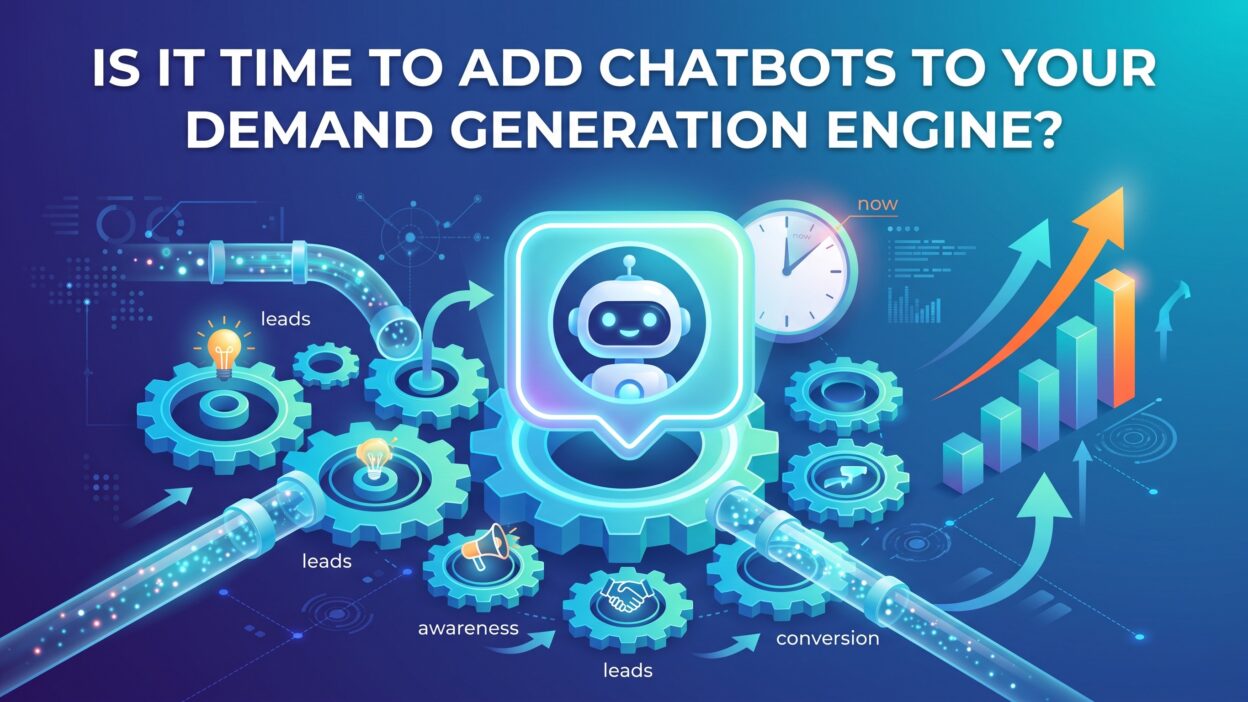
If your current funnel still relies only on forms and delayed follow-ups, this is a good moment to test a chatbot. Pick one high traffic page. Run it for a month. Look at the leads it qualifies. The data will tell you if it’s time to make chatbots a permanent part of your demand generation engine.