Introduction
What Is Cold Email and Why It Still Works
TL;DR A cold email lands in someone’s inbox without an invitation. The person has never met you. They didn’t sign up for your list. They owe you nothing. That’s exactly what makes the art of cold email so hard to master and so valuable when you get it right.
Most people think cold email is dead. Spam filters got smarter. Inboxes got busier. People got warier. But the numbers tell a different story. A well-written cold email still opens doors that ads and cold calls can’t touch. It reaches decision-makers directly. It costs almost nothing to send. It scales in a way that phone calls never will.
The art of cold email isn’t about volume. It’s about precision. One thoughtful message beats a hundred generic blasts. A recruiter, a founder, a freelance writer, a sales rep — they all use cold email for the same reason. It starts conversations that wouldn’t happen otherwise.
Table of Contents
The Real Purpose of a Cold Email
A cold email has one job. It earns a reply. Not a sale. Not a signed contract. Just a reply. Too many senders try to close a deal in the first message. That approach fails almost every time. The goal is smaller and sharper: get the person to respond, ask a question, or agree to a quick call.
Common Myths About Cold Outreach
People assume cold email means spam. It doesn’t. Spam ignores the recipient. Cold email studies them first. People also assume longer emails show more effort. They don’t. Busy readers skim. A tight, personal message respects their time and earns more attention than a long pitch ever will.
The Psychology Behind The Art of Cold Email
Every inbox is a battlefield for attention. Understanding what makes someone stop scrolling and start reading changes everything about how you write.
Why Personalization Beats Generic Templates
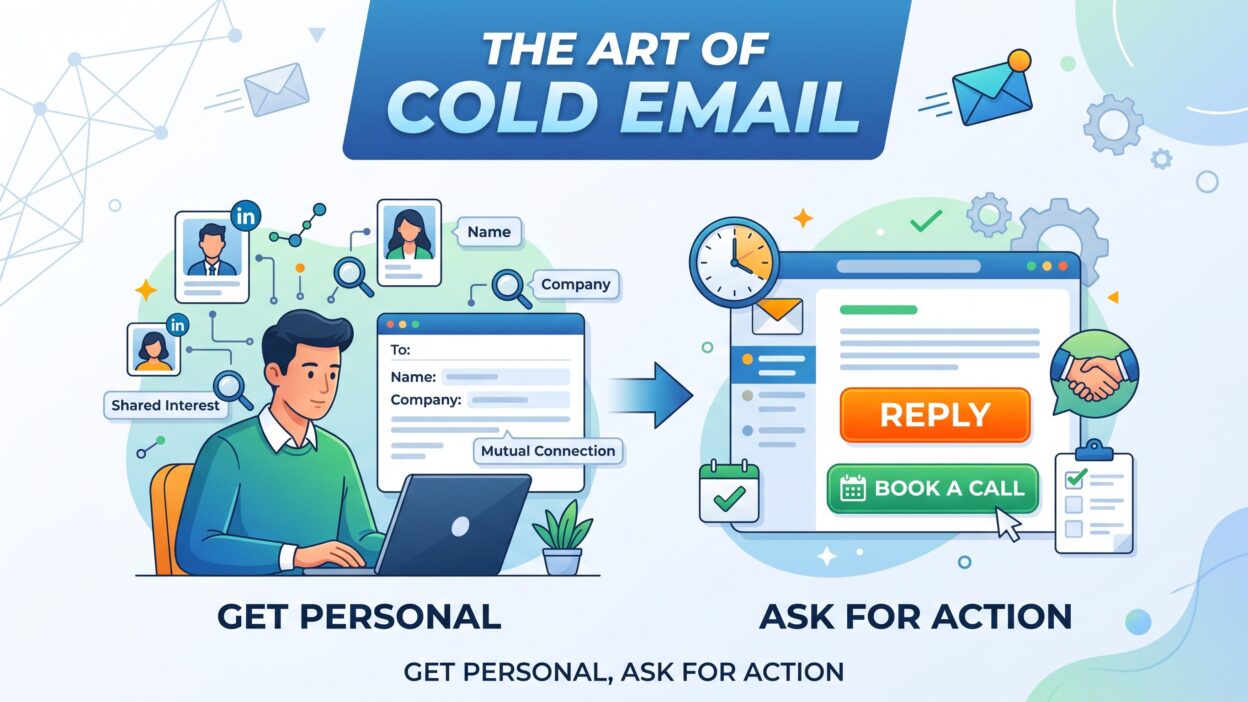
A generic email screams “mass send.” Readers spot it in two seconds and delete it. A personal detail changes the entire dynamic. Mention their recent product launch. Reference a blog post they wrote. Bring up a mutual connection. These small touches signal one thing: a human wrote this, not a script.
Personalization doesn’t mean stuffing a first name into a template. Real personalization shows research. It proves you looked at their work before asking for their time. This single shift separates the art of cold email from ordinary spam.
Trust Signals That Open Emails
People trust familiar names, shared connections, and specific details. A sender line with a real name beats a company name. A subject line with a genuine question beats a bold claim. Specificity builds trust fast. Vague flattery destroys it just as fast.
Research Before You Write
Great cold emails start long before the first word gets typed. They start with research.
Finding The Right Contact
Sending to the wrong person wastes everyone’s time. A generic “info@” inbox rarely gets read by a decision-maker. Search LinkedIn for the right title. Check the company’s About page. Look at recent press releases for named contacts. The right recipient matters more than a clever subject line.
Gathering Personal Details That Matter
Spend five minutes on their LinkedIn profile. Read their last three posts. Check their company blog. Look for a recent award, a product launch, or a shared interest. One relevant detail gives your email a reason to exist. Without it, the message reads like every other cold email in their inbox.
Crafting a Subject Line That Gets Opened
The subject line decides everything. No matter how good the body copy is, a weak subject line kills the email before it gets read.
Short Subject Lines Win
Long subject lines get cut off on mobile screens. Short ones survive. Aim for four to seven words. Use plain language. Avoid exclamation points. Avoid words like “free” or “urgent” that trigger spam filters. A subject line like “Quick question about your Q3 launch” beats “AMAZING OPPORTUNITY INSIDE!!!” every single time.
Subject Line Mistakes to Avoid
Avoid vague lines like “Following up” or “Introduction.” They tell the reader nothing. Avoid fake urgency. Readers see through it instantly. Avoid clickbait that doesn’t match the email content. A mismatch destroys trust before the reader finishes the first sentence.
Writing the Opening Line
The first line decides whether the reader continues or hits delete. This line carries the most weight in the entire email.
Personal Hooks
Open with something specific to the reader. Mention their recent talk at a conference. Reference their company’s latest funding round. Note a shared connection by name. A strong opener proves the email isn’t copy-pasted. It shows real effort behind the send.
Avoid These Openers
Skip “I hope this email finds you well.” Skip “My name is” as the first line. Skip generic compliments like “I love your work.” These lines add zero value and waste precious seconds of attention. Readers decide fast. Give them a reason to keep reading in the very first sentence.
The Body: Get Personal, Stay Relevant
Once the opener earns attention, the body has to hold it. This section carries the heart of the art of cold email.
One Idea Per Email
Don’t cram three pitches into one message. Pick one clear idea. Explain it in two or three short sentences. A cluttered email confuses the reader and lowers response rates. A focused email respects their time and gets read all the way through.
Show You Did Your Homework
Connect your idea directly to something specific about their business. Mention a challenge their industry faces right now. Reference a goal they stated publicly. This proves the email exists because of them, not because of a spreadsheet full of contacts. Readers respond to relevance far more than they respond to polish.
The Call to Action: Ask for Action Clearly
Every cold email needs one clear ask. Without it, even a great message goes nowhere.
Small Asks Work Better
Big requests scare people off. “Can we schedule a 15-minute call?” works better than “Can we set up a partnership?” A small, specific ask feels safe to say yes to. It removes friction and pressure from the reader’s side.
Examples of Strong CTAs
“Worth a quick 10-minute chat this week?” gives a clear next step. “Mind if I send over a short case study?” offers value first. “Are you the right person to talk to about this?” moves the conversation forward even if they say no. Every strong CTA gives the reader an easy, low-effort way to respond.
Follow-Up Emails Without Being Pushy
Most replies come after a follow-up, not the first message. The art of cold email includes knowing how to follow up without annoying the reader.
Timing Your Follow-Up
Wait three to five business days before the first follow-up. Wait a full week before the second one. Sending too soon feels pushy. Sending too late loses momentum. Two or three follow-ups is usually enough. More than that starts to feel like harassment.
What to Say in Follow-Up Two
Keep it short. Add new value instead of repeating the first message. Share a relevant article. Mention a recent update related to their industry. End with the same clear ask from the original email. A good follow-up feels like a gentle nudge, not a demand for attention.
Tools and Tracking
Good cold email campaigns run on data, not guesswork.
Metrics That Matter
Track open rates to test subject lines. Track reply rates to test the body and CTA. Track bounce rates to catch bad contact data early. A/B testing two subject lines on a small batch reveals what actually resonates before a full send goes out. Tools like Mailshake, Lemlist, and Apollo handle this tracking automatically and save hours of manual work.
Mistakes That Kill Cold Email Results
Even skilled senders fall into predictable traps. Watch for these patterns.
Sending the same message to hundreds of contacts kills response rates fast. Writing overly long emails loses readers halfway through. Skipping research makes every message sound generic. Using aggressive sales language triggers spam filters and reader skepticism alike. Forgetting to proofread sends a message that looks careless. Each of these mistakes chips away at trust, and trust is the entire foundation the art of cold email depends on.
Frequently Asked Questions
What makes a cold email different from spam?
A cold email targets one specific person for a clear reason. Spam blasts the same message to thousands of random addresses. Research and relevance separate the two.
How long should a cold email be?
Keep it under 150 words. Busy readers skim. Short emails get read completely. Long emails get skipped.
What’s the best time to send a cold email?
Tuesday through Thursday mornings tend to get the highest open rates. Avoid Monday mornings and Friday afternoons when inboxes are either flooded or ignored.
How many follow-ups should I send?
Two or three follow-ups spread across two weeks works well. Stop after the third message if there’s no response.
Should I use email automation tools for cold outreach?
Yes, for tracking and scheduling. But personalize each message manually before it sends. Automation should support the art of cold email, not replace the personal touch that makes it work.
Is cold email legal?
Yes, in most regions, as long as the message includes a clear opt-out option and doesn’t rely on deceptive subject lines. Check regulations like CAN-SPAM or GDPR based on your audience’s location.
Read More:-Treasure Data Review 2026: Full Platform Breakdown
Conclusion

The art of cold email comes down to three things. Research the person first. Write like a human, not a template. Ask for one small, clear action. Skip the long pitch. Skip the fake urgency. Skip the generic template that everyone can spot in two seconds.
A short, personal email with a clear ask beats a polished sales pitch every time. Readers respond to relevance, not volume. They respond to effort, not automation. The senders who take five extra minutes to research their contact consistently outperform the ones who don’t.
Cold email still works in 2026. It works because most people still get it wrong. Get personal. Ask for action. That’s the whole formula.