Introduction
TL;DR Social feeds move fast, and most B2B posts disappear into the scroll. Social Media Demand Generation asks a harder question than simple engagement. It asks whether social activity actually builds real pipeline.
This piece answers the questions marketers ask most about this topic. It covers platforms, content formats, strategy building, and measurement. Each answer stays practical, built for teams ready to turn social posts into real demand.
Table of Contents
What Is Social Media Demand Generation?
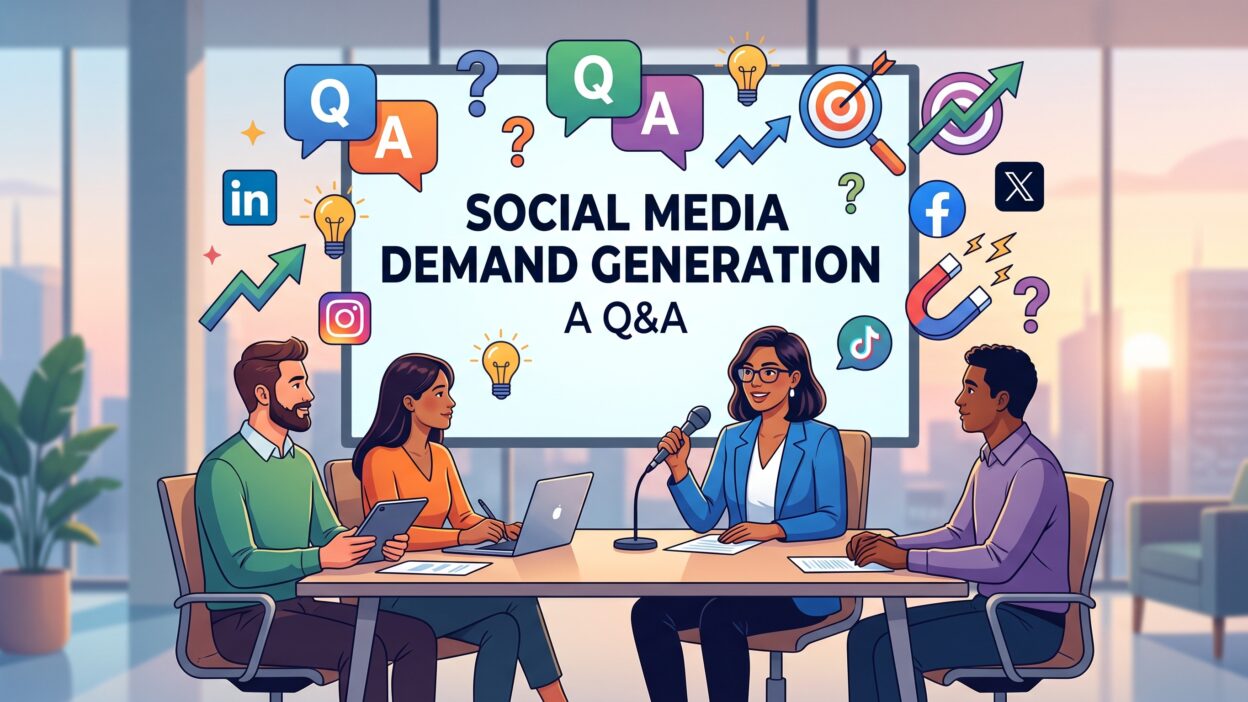
Social Media Demand Generation uses social platforms to create awareness and interest that eventually turns into pipeline. It goes beyond simple brand posts. Every piece of content ties back to a larger goal around leads and revenue.
This practice differs from general social media marketing. General social media marketing often chases followers and engagement alone. Social Media Demand Generation stays focused on moving a buyer closer to a real conversation with sales.
The approach blends organic content, paid campaigns, and community engagement. Each piece plays a role in building awareness first, then interest, then real intent among a target audience.
Why Does Social Media Demand Generation Matter for B2B Teams?
Buyers spend real time on social platforms before they ever visit a company website. Social Media Demand Generation meets these buyers early, shaping perception before a formal buying process even begins.
Cost efficiency plays a role too. Organic social content costs far less than many paid channels, once a team builds a consistent content engine. This efficiency matters more as ad costs continue rising across most platforms.
Trust builds differently on social platforms than through traditional marketing. A buyer who follows a company’s thought leadership content over several months arrives at a sales call already familiar with the brand. Social Media Demand Generation builds that familiarity slowly and naturally.
Sales teams also benefit directly. Reps can reference social content during outreach, adding credibility to a cold message. A prospect who already saw a relevant post responds differently than one hearing from the brand for the first time.
Which Social Platforms Work Best for Demand Generation?
Not every platform fits every B2B audience. Choosing the right mix matters more than being present everywhere at once.
What Role Does LinkedIn Play?
LinkedIn remains the strongest platform for most B2B demand generation efforts. Decision makers actively use the platform for industry news and professional networking. Thought leadership content and targeted ads both perform well here for most B2B categories.
Can X and Threads Support Demand Generation?
X and Threads work best for real-time industry conversation and brand personality. These platforms rarely drive direct leads on their own, but they support broader visibility and can amplify content published elsewhere.
Does YouTube Fit into a Social Demand Strategy?
YouTube supports demand generation well through educational and product-focused video content. Buyers researching a solution often search YouTube directly, making it a strong complement to a broader social strategy.
What About Niche Communities and Forums?
Industry-specific communities, whether on Slack, Reddit, or specialized forums, offer highly targeted reach. Engagement here requires a lighter touch than typical marketing content, since these spaces value genuine participation over promotion.
What Content Formats Drive the Best Results?
Format choice shapes how well content performs across each stage of the buyer journey.
How Do Organic Posts Support Demand Generation?
Organic posts build long-term trust and visibility. Educational content, customer stories, and behind-the-scenes posts all perform well when they focus on the audience’s real problems instead of pure self-promotion.
Where Does Paid Social Fit In?
Paid social speeds up reach and targeting precision. Sponsored content on LinkedIn, for example, lets a team reach specific job titles or industries directly, which organic reach alone often cannot guarantee at scale.
Do Employee Advocacy Programs Actually Work?
Employee advocacy extends reach through real, trusted voices. A post shared by an employee often earns more genuine engagement than the same post from a branded company page. This approach requires consistent effort but pays off through authentic reach.
How Do You Build a Social Media Demand Generation Strategy?
Building a real strategy takes structure, not just a content calendar full of random posts.
How Do You Set Goals First?
Start by defining what success looks like. Pipeline generated, meetings booked, or brand awareness lift all count as valid goals. Vague goals like “more engagement” give a team nothing concrete to work toward.
How Do You Choose the Right Content Mix?
Balance educational, promotional, and community-focused content across your calendar. A feed full of only promotional posts loses trust fast. A mix keeps the audience engaged while still moving toward business goals.
How Do You Connect Social Activity to Pipeline?
Use UTM tracking and CRM integration to trace leads back to specific social campaigns. Without this connection, Social Media Demand Generation stays impossible to measure beyond simple engagement metrics like likes and shares.
How Often Should You Review Performance?
Review performance monthly at minimum. Social platforms shift algorithms and audience behavior often. Regular review helps a team catch declining performance early, before an entire quarter’s strategy falls off track.
What Mistakes Hurt Social Media Demand Generation Results?
Many teams post inconsistently, then wonder why results stay flat. Consistency builds algorithm favor and audience trust over time. Sporadic posting rarely builds either one effectively.
Some teams focus only on vanity metrics like follower count. A large following means little without real engagement tied to business outcomes. Social Media Demand Generation should track pipeline impact, not just audience size.
Ignoring paid amplification also limits results. Even strong organic content reaches a shrinking percentage of followers on most platforms today. A modest paid budget behind top-performing content often extends reach significantly.
Finally, many teams treat every platform the same way. A message written for LinkedIn rarely fits X or YouTube without real adaptation. Copying and pasting the same content everywhere weakens performance across every channel at once.
How Do You Measure Social Media Demand Generation Success?
Engagement metrics like likes, comments, and shares offer early signals about content quality. These numbers matter, but they only tell part of the story on their own.
Click-through rate to owned properties shows whether social content actually drives real traffic. This metric connects social activity to the rest of your marketing funnel more directly than engagement alone.
Pipeline generated from social channels remains the most important number for most B2B teams. Tracking this through CRM attribution proves whether Social Media Demand Generation efforts actually support revenue, not just visibility.
FAQs
What is the difference between social media marketing and Social Media Demand Generation? General social media marketing focuses on brand presence and engagement. Social Media Demand Generation specifically targets pipeline and revenue outcomes tied back to real business goals.
Which platform should a B2B company start with? LinkedIn works best for most B2B audiences, given its concentration of professional decision makers actively researching solutions.
How long does it take to see results from Social Media Demand Generation? Organic efforts often take three to six months to build real traction. Paid campaigns can generate faster results, though sustainable pipeline usually needs both approaches working together.
Do small teams need a big budget for social demand generation? No. Consistent organic content paired with a modest paid budget can produce strong results, especially on platforms like LinkedIn where targeting stays precise.
How do you prove ROI from Social Media Demand Generation? Track pipeline and closed revenue tied to social campaigns through CRM attribution. Engagement metrics alone rarely satisfy leadership looking for real business impact.
Should sales teams get involved in social demand generation? Yes. Sales teams can amplify content and use it during outreach, which extends reach and adds credibility beyond marketing’s owned channels alone.
What content type performs best for Social Media Demand Generation? Educational content usually performs strongest, since it builds trust early in the buyer journey before a prospect feels ready for a direct sales conversation.
Read More:-
Conclusion

Social Media Demand Generation turns scattered posts into a real engine for pipeline. Clear goals, the right platform mix, and strong measurement separate teams that see real results from teams stuck chasing vanity numbers.
Start with one platform where your audience already spends time. Build a consistent content mix around real buyer problems. Track the path from post to pipeline closely. Social Media Demand Generation rewards teams that treat social as a real growth channel, not just a place to post updates.