Introduction
TL;DR Deals stall when one contact goes quiet. Multi-threading campaigns solve this problem by reaching every stakeholder inside an account. This guide shows you how to build multi-threading campaigns around real personas, not just job titles. You will learn who to target, what channels work, and how to measure real progress. Every section gives you a clear way to run multi-threading campaigns that actually convert.
A single champion can leave, get promoted, or simply lose interest. Multi-threading campaigns protect your pipeline from this exact risk. This article covers buying committee roles, messaging strategy, and tools that support this approach. Account based selling and buying committee mapping both connect directly to this topic. Keep these secondary ideas in mind as you read through each section.
Table of Contents
What Multi-Threading Campaigns Really Mean
Multi-threading means building relationships with several people inside one account. It moves your deal away from a single point of failure. Sales teams that run multi-threading campaigns close deals with far more control and confidence.
Moving Beyond a Single Point of Contact
One contact never tells the whole story inside a company. A single champion may lack budget authority or technical influence. Multi-threading campaigns spread your outreach across the people who actually shape a decision. Relying on one person leaves your entire deal exposed to their schedule and mood. A quiet week from your only contact can stall an entire deal. Multi-threading campaigns remove this fragile dependency completely. Reaching several people also speeds up internal buy-in naturally.
Why Persona Based Outreach Matters
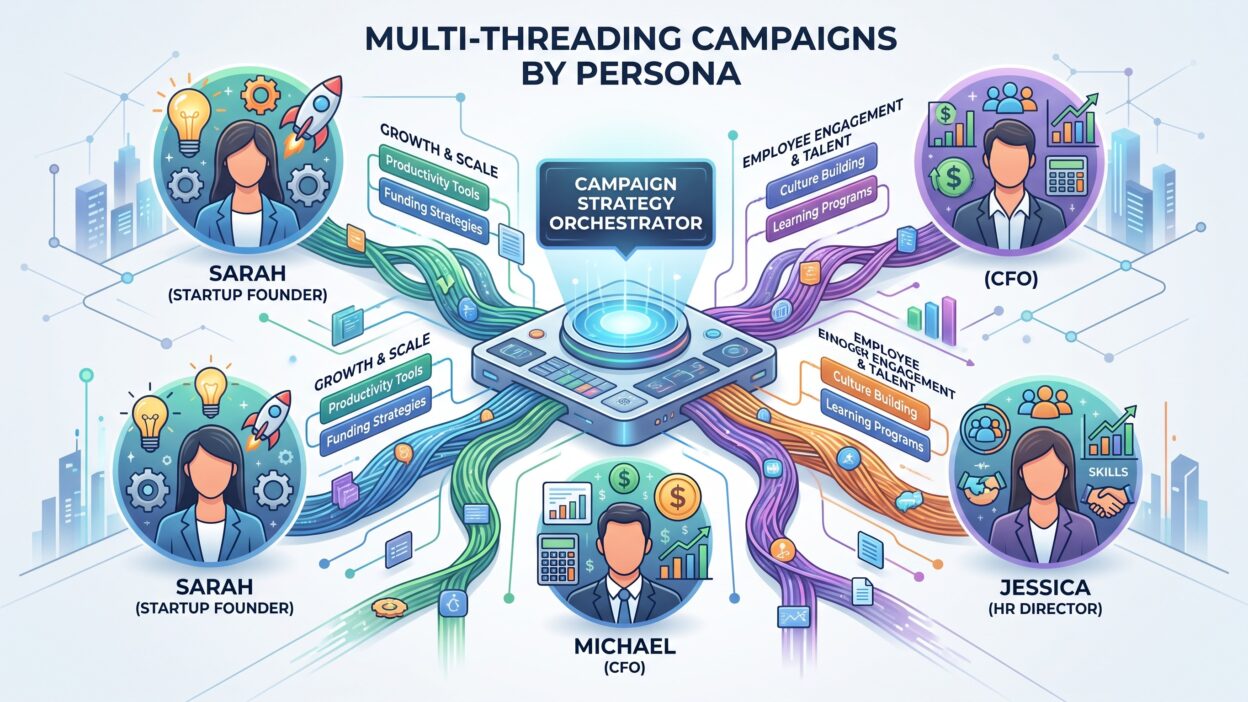
Different people care about different outcomes inside the same deal. A finance leader cares about cost and return on investment. A technical lead cares about integration and daily usability instead. Multi-threading campaigns work best when messaging matches each specific persona. Generic messaging sent to every contact feels careless and unfocused. Persona based outreach shows respect for each person’s real priorities. This respect builds trust faster across the entire buying group.
Key Personas to Target in Multi-Threading Campaigns
Every deal involves a mix of roles with different concerns. Identify these roles early to build a stronger campaign.
Economic Buyers and Budget Holders
Economic buyers control the final budget decision. They care about cost, risk, and measurable return. Multi-threading campaigns must speak directly to these financial concerns with this persona. Share clear numbers and realistic timelines during every conversation. Avoid technical jargon that does not connect to business outcomes. A confident financial story wins trust with this specific persona fast.
Technical Evaluators and End Users
Technical evaluators judge a product on function and integration. End users care about daily usability more than anything else. Multi-threading campaigns need a different tone entirely for this group. Share demos, technical documentation, and real use cases with these contacts. Address concerns about setup time and daily workflow directly. This persona often decides whether a deal moves forward at all.
Influencers and Internal Champions
Influencers shape opinion without holding final approval power. A strong internal champion pushes your deal forward when you are not in the room. Multi-threading campaigns should equip these champions with clear talking points and proof. Give them materials they can share internally without extra effort. A well supported champion becomes your best asset inside a company. Treat this relationship with real care throughout the entire deal.
Building Multi-Threading Campaigns That Convert
A strong campaign starts with research, not random outreach.
Map the Buying Committee Early
Identify every likely stakeholder before you send a single message. Ask your first contact directly about who else gets involved in a decision. Multi-threading campaigns work best when this map exists from the very first call. Use LinkedIn and company org charts to fill in any gaps. A clear map turns guesswork into a structured outreach plan. Update this map as new names appear throughout the deal.
Create Persona Specific Messaging
Write separate messages for each role inside the buying committee. A finance message should never read like a technical pitch. Multi-threading campaigns succeed when every message feels written for one specific person. Keep each message short and focused on that person’s real concern. Test different angles and track which messages get the strongest replies. Small adjustments in tone often produce a noticeably better response rate.
Channels That Support Multi-Threading Campaigns
The right channel mix reaches every persona where they pay attention.
Email Sequences Tailored by Role
Email remains a strong channel for structured, role based outreach. Build separate sequences for finance, technical, and end user contacts. Multi-threading campaigns run smoothly when each sequence reflects that persona’s real priorities. Keep subject lines specific and relevant to each role. Track open and reply rates separately for every sequence. This data reveals which persona needs a stronger message.
LinkedIn Outreach Across a Buying Team
LinkedIn works well for softer, relationship building outreach. Engage with posts from every stakeholder before sending a direct message. Multi-threading campaigns benefit from this warm approach across an entire buying team. Comment thoughtfully instead of sending generic connection requests. This visibility builds familiarity before any direct sales conversation begins. Warm contacts respond far better than cold ones inside any committee.
Direct Mail for Key Stakeholders
A physical touch point stands out inside a busy inbox. Send a thoughtful item to your economic buyer or key champion. Multi-threading campaigns that include direct mail often feel more memorable than email alone. Time these sends around a milestone in the deal, not randomly. This gesture shows extra effort that most competitors skip entirely. A well timed gift can shift momentum during a stalled negotiation.
Tools That Power Multi-Threading Campaigns
The right software turns this strategy into a repeatable process.
CRM Account Mapping Features
Modern CRMs include tools built specifically for account mapping. Tag each contact by role and influence level within the deal. Multi-threading campaigns become far easier to manage once this data lives inside your CRM. Review these maps during every deal update meeting. A clear visual map helps your whole team stay aligned on strategy. Missing roles become obvious once the map exists in one place.
Sales Engagement Platforms
Sales engagement tools automate persona specific sequences at scale. These platforms track engagement across every contact inside one account. Multi-threading campaigns run more efficiently when this data updates automatically. Set alerts for engagement drops from any key stakeholder. Fast alerts let your team react before a deal goes quiet. Automation frees up time for the personal touches that actually close deals.
Common Mistakes in Multi-Threading Campaigns
Some habits quietly undo the benefits of this strategy.
Relying on a Single Champion
Many reps default back to their one comfortable contact. This habit defeats the entire purpose of multi-threading campaigns. A single champion, however enthusiastic, cannot guarantee a final decision alone. Push yourself to reach at least three contacts inside every meaningful deal. Comfort with one contact often signals avoidance of harder conversations. Fix this habit early to protect your pipeline long term.
Sending the Same Message to Every Persona
A generic message ignores the real differences between roles. Multi-threading campaigns fail when every contact receives an identical pitch. This approach feels lazy and reduces response rates across the board. Take the extra time to adjust tone and content for each persona. This effort pays off through stronger engagement and faster internal buy-in.
Measuring the Success of Multi-Threading Campaigns
Clear metrics prove whether this strategy actually improves your results.
Track Engagement Across Each Persona
Measure open rates, replies, and meeting acceptance by role. Multi-threading campaigns should show engagement from more than just one contact per account. A healthy deal shows activity across finance, technical, and champion personas. Flag deals that show engagement from only one person as a risk. This early warning lets your team adjust strategy before a deal stalls.
Watch Deal Velocity and Win Rates
Compare deal speed between single threaded and multi-threaded accounts. Multi-threading campaigns often close faster because objections surface earlier from more contacts. Track win rates across both groups over a full quarter. This comparison proves the real value of the extra outreach effort. Use this data to justify the strategy across your entire sales team.
Long Term Benefits of Multi-Threading Campaigns
This strategy protects revenue well beyond any single deal.
Reduced Risk From Champion Turnover
Champions change jobs more often than most teams expect. Multi-threading campaigns protect a deal when a key champion suddenly leaves. Other relationships inside the account keep the deal moving forward. This resilience becomes especially valuable during long enterprise sales cycles. Teams that skip this strategy often restart deals from scratch after turnover.
Stronger Deal Control Throughout the Sales Cycle
More relationships inside an account create more visibility into real decision making. Multi-threading campaigns give sales reps a clearer picture of internal politics and priorities. This visibility helps reps address objections before they become deal blockers. Strong deal control also improves forecast accuracy for sales leadership. Consistent use of this strategy builds a more predictable pipeline over time.
FAQs About Multi-Threading Campaigns
What is multi-threading in B2B sales? Multi-threading means building relationships with several stakeholders inside one account. It reduces risk compared to relying on a single contact. This approach improves deal control and forecast accuracy significantly.
How many contacts should you target in an account? Most experts recommend at least three to five contacts per meaningful deal. Larger enterprise deals often need even more depending on company size. Quality relationships matter more than a specific contact count.
Does multi-threading slow down a sales cycle? No, it usually speeds up the process instead. Multi-threading campaigns surface objections earlier from more stakeholders at once. This early visibility often shortens the overall sales cycle.
What tools help manage multi-threading campaigns? CRM account mapping features and sales engagement platforms both help significantly. These tools track engagement and organize contacts by role automatically. Combining both tools creates the strongest overall system.
How do you start multi-threading in a small deal? Ask your first contact directly about other people involved in the decision. Reach out to at least one additional persona early in the process. Even small deals benefit from this simple extra step.
Read More:-Multi-Threaded Sales: How to Win Complex B2B Deals
Conclusion

A single point of contact leaves every deal exposed to unnecessary risk. Multi-threading campaigns spread that risk across the real decision makers inside an account. Use the persona strategies in this guide to reach finance, technical, and champion contacts effectively. Track engagement across every role and adjust your messaging based on real data. Avoid the common mistakes that quietly undo this valuable strategy. Focus on research, personalized messaging, and consistent follow up across every persona. Multi-threading campaigns can turn fragile deals into strong, predictable wins for your entire sales team.