Introduction
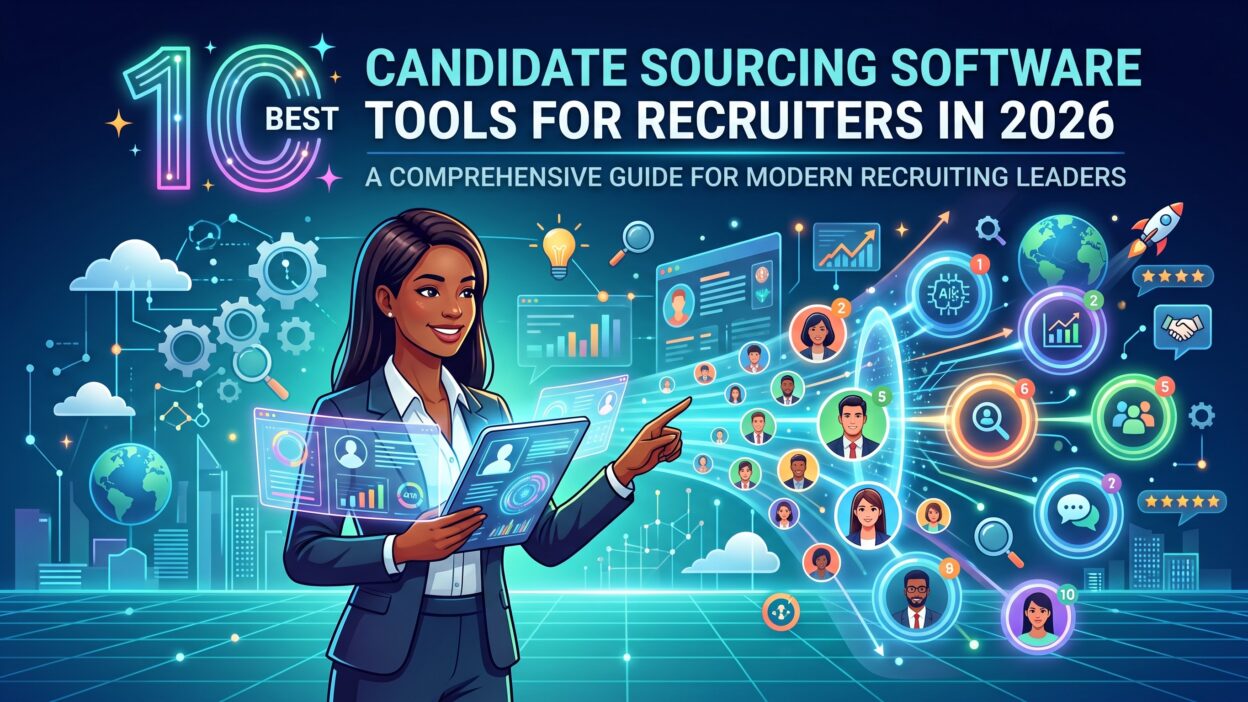
TL;DR Recruiters spend hours hunting for the right candidate across scattered platforms. Candidate Sourcing Software fixes this problem by pulling talent data into one clean workspace. A recruiter searches once and finds matched profiles instantly. This guide covers what Candidate Sourcing Software does, how it works and the ten best tools for 2026. You will also find key features to check and answers to common questions recruiters ask before buying.
Table of Contents
What Is Candidate Sourcing Software?
Candidate Sourcing Software helps recruiters find, filter and reach out to potential hires. It searches public profiles, resume databases and social platforms in one place. A recruiter types in job criteria and the tool returns a list of matching candidates within seconds. This replaces hours of manual searching across LinkedIn, job boards and old resume files.
Most platforms also include contact details like email addresses and phone numbers. This lets a recruiter skip the search step entirely and move straight to outreach. Candidate Sourcing Software saves time on every open role, not just hard-to-fill positions.
How It Differs From an ATS
An applicant tracking system manages candidates who already applied. Candidate Sourcing Software finds candidates before they apply at all. A recruiter uses sourcing tools to build a pipeline first. The ATS then tracks that pipeline through interviews and offers. Many companies run both systems together for a full hiring workflow.
Why Recruiters Need It in 2026
The hiring market moves fast this year. Good candidates get multiple offers within days of showing interest. Candidate Sourcing Software gives recruiters a speed advantage by surfacing qualified people before competitors reach them. It also widens the talent pool beyond a recruiter’s personal network. Smaller teams use it to compete with larger companies that have bigger budgets.
Key Features to Look For in Candidate Sourcing Software
Every platform claims to find great candidates. A few features actually separate strong tools from weak ones.
Database Size and Reach
A large talent database matters most. Candidate Sourcing Software with limited reach returns the same repeated names for every search. Check how many active profiles a platform covers before signing up. Ask about update frequency too, since stale profiles waste outreach time.
AI Matching and Search
Modern Candidate Sourcing Software uses AI to rank candidates by fit instead of just keyword matches. A strong AI engine reads job descriptions and pulls relevant skills automatically. This cuts down manual filtering and surfaces stronger matches faster than a basic keyword search ever could.
Integration with ATS and CRM
Candidate Sourcing Software should connect directly with your existing ATS. This avoids manual data entry between systems. Look for native integrations with popular platforms like Greenhouse, Lever and Workday. A missing integration often means extra work for your recruiting team every single day.
10 Best Candidate Sourcing Software Tools in 2026
These ten platforms lead the market this year. Each one brings a different strength depending on team size and hiring volume.
LinkedIn Recruiter
LinkedIn Recruiter remains the most widely used Candidate Sourcing Software on the market. Its database covers professionals across every industry and region. Recruiters filter searches by skill, location and current employer with ease. The InMail feature lets a recruiter message candidates directly inside the platform. Pricing runs higher than most competitors, which fits larger recruiting budgets better than small teams.
SeekOut
SeekOut built its Candidate Sourcing Software around diversity hiring and technical talent. The platform pulls data from GitHub, patents and academic papers alongside standard profiles. This helps recruiters find niche technical candidates that other tools often miss. SeekOut also includes strong filtering for underrepresented groups in tech roles.
hireEZ
hireEZ combines sourcing with outreach automation in one dashboard. Its Candidate Sourcing Software searches over forty-five platforms at once, including niche community sites. Recruiters can build automated email sequences directly from a search result list. This reduces the number of separate tools a recruiting team needs to manage daily.
Entelo
Entelo focuses on predictive analytics within its Candidate Sourcing Software. The platform flags candidates likely to switch jobs soon based on public signals. Recruiters use this to prioritize outreach toward people open to new roles. Entelo also supports strong diversity search filters for inclusive hiring programs.
Fetcher
Fetcher automates the early sourcing stage through AI-driven candidate delivery. A recruiter sets criteria once and Fetcher sends a fresh batch of matched candidates every day. This Candidate Sourcing Software works well for teams hiring at high volume without extra headcount. The daily delivery model removes the need for constant manual searching.
Loxo
Loxo bundles sourcing, an ATS and a CRM into a single platform. Its Candidate Sourcing Software pulls from a database of over six hundred million profiles. Agencies and staffing firms often choose Loxo because it handles the full hiring cycle without needing separate tools stitched together.
Gem
Gem centers its Candidate Sourcing Software around recruiter analytics and pipeline reporting. Recruiters see conversion rates at every stage, from first outreach to hire. This data helps teams refine messaging and target sourcing efforts more effectively. Gem also integrates cleanly with most major ATS platforms already in use.
Findem
Findem uses attribute-based search instead of simple keyword matching in its Candidate Sourcing Software. A recruiter searches by traits like career trajectory or company type rather than just job titles. This approach surfaces candidates who fit a role’s growth pattern even without an exact title match.
Beamery
Beamery positions its Candidate Sourcing Software as a full talent lifecycle platform. Beyond sourcing, it manages nurture campaigns for passive candidates over months. Large enterprises use Beamery to build long-term talent pools instead of sourcing reactively for each open role.
Manatal
Manatal offers an affordable Candidate Sourcing Software option built for small and mid-sized teams. The platform includes AI recommendations alongside a lightweight ATS. Smaller recruiting teams pick Manatal for its simple pricing and fast setup process compared to enterprise-focused competitors.
How Candidate Sourcing Software Works
Most platforms follow a similar process behind the scenes. A recruiter enters job requirements, including skills, location and experience level. The Candidate Sourcing Software then scans its database and ranks profiles by relevance. Many tools apply AI scoring to push the strongest matches to the top of the list.
Once a recruiter picks candidates, the software often includes built-in outreach tools. This might mean an email template, an automated sequence or a direct messaging feature. Some platforms also track candidate engagement, showing when someone opens an email or clicks a link. This data helps a recruiter decide who to follow up with next.
Benefits of Using Candidate Sourcing Software
Time savings stand out as the biggest benefit. A search that once took hours across multiple sites now takes minutes inside one tool. Candidate Sourcing Software also widens the talent pool beyond a recruiter’s personal network or referrals.
Better data quality follows close behind. Contact details inside sourcing platforms tend to stay more current than manually collected lists. This reduces bounced emails and wasted outreach attempts. Teams using strong Candidate Sourcing Software also report faster time-to-fill numbers across open roles, since qualified candidates enter the pipeline sooner.
Challenges and Limitations
No platform works perfectly for every search. Niche roles in small industries sometimes return thin results even from a strong database. Candidate Sourcing Software also costs real money, and pricing climbs fast for larger teams needing multiple seats.
Learning curves matter too. Some platforms pack in advanced features that take weeks to master fully. A recruiting team should budget training time alongside the tool cost itself. Skipping this step often means a team only uses a fraction of what they paid for.
How to Choose the Right Candidate Sourcing Software
Start with your hiring volume and role types. A high-volume tech recruiter needs different features than a boutique executive search firm. Match the tool to your actual daily workflow instead of chasing the most popular brand name.
Test a free trial before committing to a yearly contract. Run a real search for an open role and check the quality of results firsthand. Compare a few platforms side by side using the same job criteria for a fair test.
Check support and onboarding quality last. Strong Candidate Sourcing Software backed by weak customer support still slows a team down during setup and troubleshooting.
FAQs About Candidate Sourcing Software
What is Candidate Sourcing Software? Candidate Sourcing Software helps recruiters find and contact potential job candidates before they apply. It searches public profiles and resume databases in one platform.
How is Candidate Sourcing Software different from an ATS? An ATS manages applicants after they apply. Candidate Sourcing Software finds candidates earlier, before an application even exists.
Is Candidate Sourcing Software worth the cost for small teams? Yes, several affordable options exist for small teams. Tools like Manatal offer lower pricing without cutting out core sourcing features.
Does Candidate Sourcing Software work for technical hiring? Yes, platforms like SeekOut specialize in technical talent by pulling data from GitHub and other developer platforms.
Can Candidate Sourcing Software integrate with existing hiring tools? Most modern platforms integrate with popular ATS and CRM systems like Greenhouse, Lever and Workday.
How long does it take to see results from Candidate Sourcing Software? Many recruiters see qualified candidate lists within minutes of a search. Building a full pipeline for a role usually takes a few days of active outreach.
Read More:-LinkedIn Sales Navigator Salesforce Integration: Complete Guide [2026]
Conclusion

Candidate Sourcing Software changes how recruiters build talent pipelines in 2026. The right tool cuts search time, widens reach and delivers better candidate data than manual methods ever could. LinkedIn Recruiter suits broad enterprise searches, while tools like SeekOut and Fetcher serve more specific hiring needs. Picking the best fit depends on your team size, hiring volume and budget for the year ahead. Test a few platforms directly against your real job openings before making a final decision.