
Introduction
TL;DR Your happiest customers talk about you. They tell friends at dinner. They mention your name in group chats. Most of that talk never reaches your sales team. You never ask, so nobody sends a lead your way.
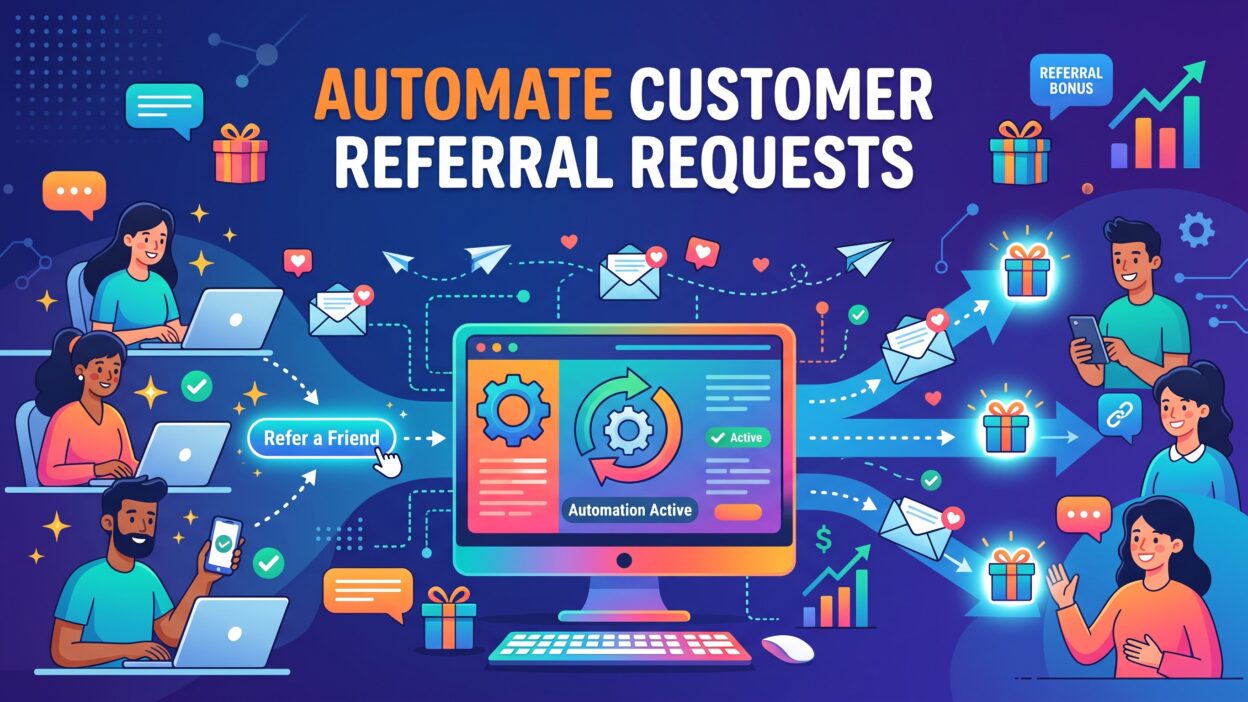
Asking changes the outcome. A simple message at the right moment turns a fan into a source of new business. Doing it by hand fails. Reps forget. Managers get busy. Good moments pass without a word. Automation closes that gap. Customer referral requests that run on their own reach every happy buyer at the right time.
Table of Contents
What Are Customer Referral Requests?
A referral request is a direct invitation. You ask a satisfied customer to introduce your company to someone who needs your help. The customer might share a link, forward an email, or make a personal introduction. Each path leads to a warm lead.
Customer referral requests work best when they feel personal. A mass blast to your whole list gets ignored. A short note sent after a real success gets answers. The timing and the tone decide the result.
Referral Requests Versus Referral Programs
A referral program is a structure. It includes rules, rewards, and tracking links. A referral request is a single message that asks for help. You can send requests with no formal program. You can run a program with weak requests. The best results come from pairing both.
Think of the program as the road. Think of the request as the car. Without the car, nothing moves.
Where They Fit in Your Funnel
Referral asks sit after the sale. They belong to the retention and advocacy stages. A customer must succeed with your product before the ask makes sense. Teams that ask too early burn trust. Teams that wait for a clear win collect more introductions.
Why Referrals Beat Other Lead Sources
Referred leads behave differently from cold leads. They arrive with trust already built. A friend vouched for you. That endorsement does work that no ad can do.
Higher Trust and Faster Deals
Buyers believe people they know. A recommendation cuts through skepticism. Referred prospects often skip long research phases. They ask fewer questions about credibility. Sales cycles shrink. Close rates climb. Reps spend less time proving value and more time solving problems.
Lower Acquisition Cost
Paid channels charge you for every click. Referrals cost far less. You pay for software, a small incentive, and a bit of setup time. The return can dwarf your ad spend. Referred customers also tend to stay longer. They join with realistic expectations and a friend who uses the same product.
Better Fit
Customers refer people who look like them. A happy accountant knows other accountants. A satisfied agency owner knows other owners. Those leads match your ideal profile more often than random traffic.
Why You Should Automate the Ask
Most companies know referrals work. Few ask on a steady schedule. Busy teams push the task to next month. Next month never comes.
Memory Fails
Manual customer referral requests depend on memory. A rep must remember to ask after a good call. A manager must remember to check the list. People miss steps when deadlines pile up. Software never forgets.
Timing Matters
A customer feels the most gratitude right after a win. That feeling fades within days. A rule that fires the same day catches the peak. A human reading a spreadsheet on Friday catches the leftovers.
Consistency Builds Volume
A small, steady stream beats occasional bursts. Automation asks every qualified customer every time. Over a year the volume adds up. Your pipeline gains new names each week with no extra effort from your team.
Your Team Keeps the Personal Touch
Automation does not replace people. It handles the trigger and the first message. Your team handles replies, introductions, and thank-you notes. Machines send. Humans build relationships.
Find the Right Moment to Ask
Timing separates strong programs from weak ones. A great message sent at a bad moment fails. A plain message sent at a great moment works. Study your customer journey and pick moments with high goodwill.
Success Milestones
Customers feel proud when they hit a goal. A user finishes setup. A client sees a first big result. A shopper receives an order and loves it. Mark these events in your system. Each one can trigger a referral ask a day or two later.
Positive Feedback
A five-star review is a gift. So is a high score on a survey. A customer who rates you nine or ten out of ten has told you they are happy. Send a thank-you note right away. Add a gentle ask in the same message or in a follow-up.
Renewals and Purchases
A renewal signals confidence. The customer chose you again. Thank them. Mention how much you value the relationship. Invite them to share your name with a colleague. A repeat buyer in ecommerce deserves the same treatment after a second or third order.
Support Wins
A solved problem builds trust. A customer who got fast, kind help remembers it. Wait for the ticket to close and for the customer to confirm the fix. Send a short survey. A strong score opens the door for an ask.
Moments to Avoid
Never ask during a dispute. Never ask while a bill is overdue. Skip customers with open tickets. Skip anyone who just reported a bug. Add these rules to your automation so the software holds back when the mood is wrong.
How to Automate Customer Referral Requests Step by Step
The build takes a few hours with the right tools. Follow the stages in order and you will avoid common problems.
Define Your Ideal Referrer
Not every customer deserves an ask. Pick the ones most likely to say yes. Look at satisfaction scores, usage data, and account age. Look at past behavior. Did they leave a review? Did they attend a webinar? Did they answer a survey? Those signals mark a friendly advocate.
Write a short rule. For example, “scored nine or higher and active in the last thirty days.” Use that rule as your filter.
Connect Your Data
Automation needs fresh information. Link your CRM, your survey tool, your support desk, and your email platform. Each system holds a piece of the picture. Together they tell you who feels happy right now.
Ask your operations team to map the fields. Test the sync with a few sample records. Fix gaps before launch.
Set Your Triggers
A trigger starts the flow. Choose one or two events at the start. A high survey score works well. A closed support ticket with a positive rating works well too. Add more triggers after you see results.
Write the Messages
Draft a short sequence of two to four emails. Keep each one under one hundred words. Give each message a single job. One thanks. One asks. One reminds. One closes the loop.
Add Delays and Exit Rules
Space the messages by three to seven days. Stop the sequence when the customer replies or shares a link. Stop it when they unsubscribe. Stop it when they open a complaint. Limit each customer to one sequence every six months. These rules protect goodwill.
Route Replies to a Human
Replies need a fast answer. Send alerts to the account owner by email or chat. Include the customer name, the reply text, and the trigger that started the flow. A quick personal response turns a maybe into a warm introduction.
A Sample Referral Request Sequence
This sequence shows how customer referral requests can run across four short messages. Adjust the timing to match your product and sales cycle.
The Thank You
Send this within a day of the trigger. Thank the customer for a specific action. Mention the review, the score, or the milestone. Add no ask. Gratitude comes first. A warm opening makes the later ask feel earned.
A line like “Your team hit a big goal this month, and we loved helping” works well. It names a real event. It sounds human.
The Ask
Send this three days later. Keep the note short. Say that you enjoy working together. Say that you help other companies in the same field. Ask one clear question. For instance, “Do you know one person who might benefit from what we do?”
Give the customer an easy route. Offer a personal link they can forward. Offer to write an introduction they can approve. Offer a short call if they prefer. Lower the effort and more people respond.
The Gentle Reminder
Send this five days after the ask. Many readers meant to reply and forgot. Remind them in a light tone. Restate the request in one sentence. Add a small helpful touch such as a new resource or a useful tip. Never guilt the reader.
Close the Loop
Thank everyone who responded. Tell them what happened with their referral. Customers love to hear that a friend got great service. A customer who sees results will refer again. Send a short note to non-responders as well. Tell them the door stays open.
Write Messages People Answer
Copy decides whether the ask lands. Strong copy sounds like a note from a friendly colleague. Weak copy sounds like a form letter.
Keep It Short
Busy people skim. Long emails lose them in two seconds. Write four or five short sentences. Use plain language. Skip jargon and long brand speeches. Put the ask near the top of the message.
Make the Ask Specific
Vague requests get vague answers. “Know anyone who needs us?” asks the reader to think hard. A specific request works better. Describe your ideal referral. Mention the job title, the company size, or the problem you solve. A customer can picture a name much faster.
Make Sharing Easy
Remove every obstacle. Give a unique link that tracks the referral. Offer a pre-written note the customer can paste into a message. Offer a one-click introduction. Each extra step cuts your response rate.
Use a Real Sender
Send from a real person. Use the account owner or a success manager. A name and a face build trust. A no-reply address kills it. Invite replies and answer them fast.
Test and Improve
Try two subject lines on the same message. Compare reply rates. Test the timing of each email. Test a plain text version against a designed one. Small gains add up across hundreds of sends.
Choose Incentives Wisely
Some programs offer rewards. Others rely on goodwill. Both can work. The right choice depends on your audience.
Business customers often prefer non-cash gestures. They like early access to features, a donation in their name, or a discount on renewal. Consumers respond well to credits, gift cards, and free products. Cash can work in the right market. Check the rules in your industry first.
Offer rewards to both sides when you can. The referrer gets a thank-you. The new customer gets a welcome offer. Both feel good about the deal.
Never let the reward overshadow the relationship. A customer who refers only for money may send poor leads. Position the gift as appreciation. Keep the focus on helping a friend.
Check legal rules. Some regions and industries limit referral payments. Finance, healthcare, and legal services face tight restrictions. Ask your counsel before you launch.
Tools That Run the Process
Most platforms handle customer referral requests with basic automation rules. HubSpot, Mailchimp, ActiveCampaign, and Customer.io send triggered emails. Survey tools such as Delighted and Typeform capture satisfaction scores. Dedicated referral platforms such as ReferralCandy, Referral Factory, and Friendbuy add tracking links and reward management.
Pick tools that connect to your CRM. Check how deeply they sync. Check reporting features and pricing as your list grows. Ask vendors for a trial.
Start small. A simple setup with three working emails beats a fancy platform that never launches. Upgrade when your needs outgrow your tools.
Metrics That Prove the Program Works
Leaders fund what they can measure. Track customer referral requests like any other campaign. Set up your dashboard before launch.
Start with sends and open rates. These numbers show whether your subject lines and timing work. Track the reply rate next. Replies show real interest. Count the number of introductions or shared links. These numbers show actual advocacy.
Measure referred leads. Count how many arrive each month. Track how many turn into meetings, trials, and sales. Compare their conversion rate with other channels. Referred leads usually win.
Track revenue. Add up the closed deals from referrals. Subtract your costs for software, rewards, and staff time. The result shows your return on investment.
Watch the unsubscribe rate. A rising number signals that your messages feel pushy. Check customer satisfaction scores after each send. A drop means you asked at the wrong time.
Share results with your team each month. Celebrate wins. Fix weak spots. Teams that see progress keep the program alive.
Common Mistakes to Avoid
Many teams repeat the same errors. Avoid them and you will outperform most competitors.
Some teams ask too early. A new customer has not seen value yet. The ask feels pushy. Wait for a clear win.
Some teams ask everyone. A mass blast reaches unhappy customers. Those people may respond with complaints or leave a bad review. Filter by satisfaction first.
Some teams write long, formal emails. Readers close them at once. Keep every message short and warm.
Some teams send too many reminders. Three touches reach most people. A fourth or fifth feels like nagging. Respect each customer’s inbox.
Some teams ignore the follow-up. A customer makes an introduction and hears nothing. That customer will not refer again. Thank every referrer fast and share the outcome.
Some teams forget privacy rules. Laws like GDPR and CCPA limit how you use personal data. Honor consent and unsubscribe requests. Never contact a referred person without a lawful basis. Review your process with legal counsel.
Some teams launch and walk away. Links break. Offers expire. Results slide. Assign an owner who reviews the flow every quarter.
Frequently Asked Questions
How often should I send customer referral requests?
Ask each customer once or twice per year. Wait at least six months between sequences. Space the messages inside a sequence by three to seven days. Too many asks wear down goodwill.
When is the best time to ask for a referral?
Ask right after a clear win. A strong survey score, a finished project, a renewal, or a solved support issue all work well. Customers feel the most gratitude at those moments.
Should I offer a reward?
Rewards help in many markets. Test one with a small group. Compare results against an ask with no reward. Keep the tone focused on helping a friend.
Can small businesses automate this process?
Yes. A small shop can run a three-email flow with a basic email tool. Start simple and grow as your customer base grows.
What if a customer ignores the request?
Send one gentle reminder. Stop after that. Try again in six months. Silence often means busy, not unhappy.
How long should the messages be?
Aim for fewer than one hundred words. Short notes get read. Long notes get skipped.
Do I need special software?
No. A standard email platform with automation handles the basics. A dedicated referral tool adds tracking and rewards when you need them.
How do I handle privacy?
Collect consent. Include an unsubscribe link in every email. Store only the data you need. Ask legal counsel to review your setup, especially if you serve customers in regulated regions.
Read More:-Best Enlyft Alternatives [2026]
Conclusion

Your happiest customers hold the key to your next wave of growth. They already trust you. They already know people who share the same problems. A clear, friendly ask opens the door.
Automation makes that ask reliable. Customer referral requests that fire at the right moment reach every qualified customer without extra work. Your team keeps its focus on conversations and relationships. The software handles the schedule.