
Introduction
TL;DR Every sales team keeps a graveyard of dead deals. The CRM files each one under a stage name. That stage is Closed-lost. Most teams never look at those records again. That habit costs real money.
Something interesting happens months later. A contact from a lost deal visits your pricing page. Nobody on your team notices. The visit signals new interest. A fast, smart reply can reopen a dead opportunity.
Table of Contents
What Does Closed-Lost Mean in Sales?
A deal that ends without a sale gets a final label. The rep tried hard. The buyer walked away or went silent. The rep moved the record to the lost stage and picked a reason. Every major CRM includes this stage. Names differ a little across tools. The meaning stays the same.
The label does not mean the buyer hates you. It means timing, budget, or fit failed on that day. People change jobs. Budgets reset. Priorities shift. A no today rarely means no forever.
Common Reasons Deals End Closed-Lost
Price tops the list. Buyers say the cost exceeds their budget. Timing causes many losses. The buyer likes the product and cannot start the project this year. Competitors win some deals. A rival offers a lower price or a feature you lack.
Some deals stall with no decision. The buyer keeps the status quo. Internal politics kills others. A champion leaves the company. A new boss cancels the project.
Each reason predicts a different return pattern. A price loss may return when the budget grows. A timing loss may return when a new fiscal year starts. A competitor loss may return when the rival disappoints. Smart teams read the loss reason before they plan any follow-up.
Why Closed-Lost Data Holds Value
Lost deals carry a lot of knowledge. Your team already did the discovery work. You know the buyer’s pain, team structure, and budget range. You hold notes from calls and emails. A fresh lead has none of that history.
Acquisition cost matters too. Your company paid to win that attention. Reopening an old record costs far less than buying a new lead. Revisited deals often convert at higher rates than cold outreach. Treat the closed-lost stage as a pipeline of future revenue, not a dumping ground.
What Is a Closed-Lost Website Return?
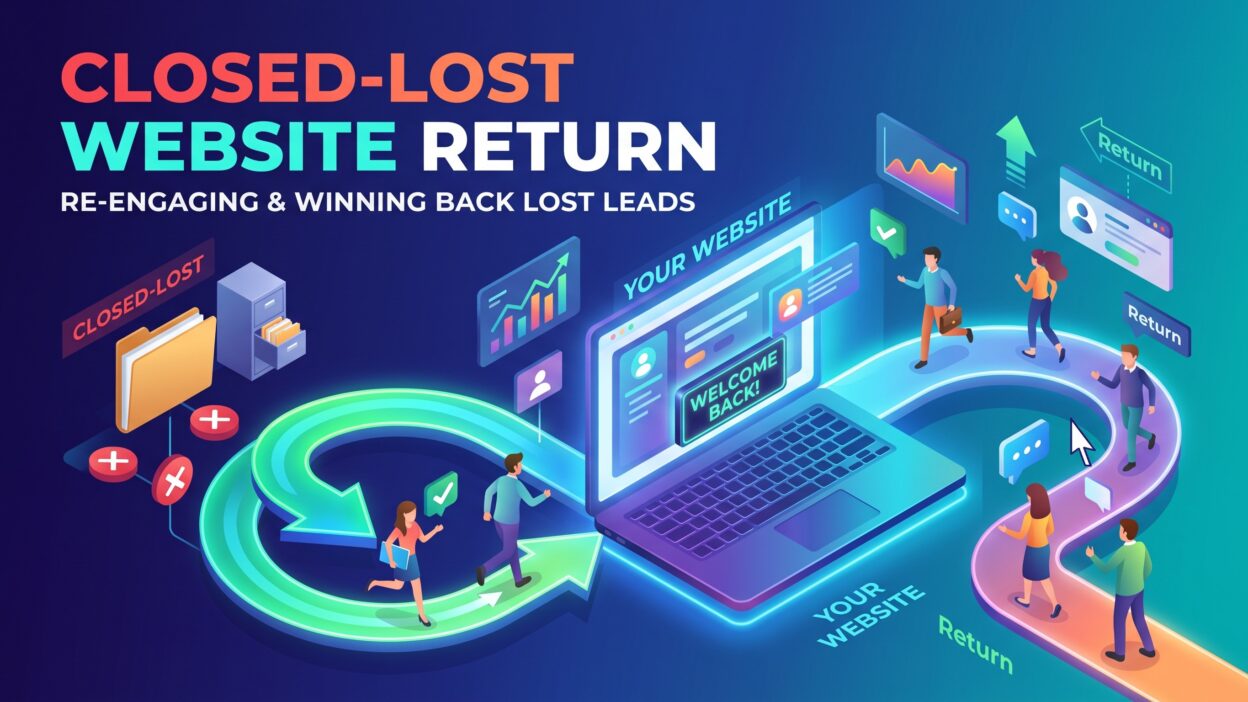
A closed-lost website return happens when a contact from a lost deal visits your site again. The contact might read a blog post, open the pricing page, or view a case study. The visit can come weeks or years after the loss. Each visit leaves a trail in your analytics and marketing tools.
Not every visit matters equally. A quick look at your careers page means little. A trip to the pricing page means a lot. A visit to the demo request page means even more. Repeat visits from several people at one account carry the most weight. Rank each return by page type and by frequency.
Return Visits Versus New Visits
New visitors know little about you. Returning lost contacts know a lot. They sat through demos. They saw your price. They read your proposal. Their visit says something specific. They are looking again.
Treat that visit as a warm signal. Do not treat it as a cold lead. Your reply should show that you remember them. Generic outreach wastes the moment.
Why Website Returns Matter for Revenue
Buyers research on their own long before they talk to a rep. Most of that research happens online. A returning visitor tells you the research has started. You see the signal before the buyer sends an email or fills out a form.
Most teams miss this chance. Reps chase new names from lists. Marketers focus on first-time traffic. Nobody owns the group in the middle. That gap leaves money on the table.
Buyers Revisit When Conditions Change
Something triggers every return visit. A new budget opens. A contract with a rival ends. A new leader joins and wants fresh vendors. A project that stalled gets a green light. The buyer remembers you and checks your site.
You cannot see the trigger. You can see the visit. That visit gives you a reason to reach out with a relevant message. The buyer does not feel chased because the timing fits.
Speed Wins Reopened Deals
Interest fades fast. A buyer who browses your pricing page at ten in the morning may open a rival’s page by noon. The first vendor who replies with value often earns the next meeting. Slow replies lose the moment.
A rep who responds within hours stands out. Most companies take days to notice anything. Fast action turns a quiet signal into a real conversation. Build your process around speed from the start.
How to Track Returning Visitors From Lost Deals
You need three things to catch a return. You need a way to identify the visitor. You need a link between that identity and your CRM. You need an alert that reaches a rep fast. Each piece takes some setup. The payoff comes quickly.
Connect Your Website to Your CRM
Start with your marketing automation or analytics tool. Platforms like HubSpot, Marketo, and Pardot track known contacts across visits. A contact who clicked an email link carries a cookie. The tool recognizes that person on the next visit and logs the page views.
Sync that activity with your CRM. Each lost contact record should show recent site visits. Reps see the data without switching screens. Ask your operations team to map the fields and test the sync.
Match Visitors to Contacts and Accounts
Some visitors stay anonymous. Account-level tools help here. They match a visit to a company by network data. You may not learn the person’s name. You learn the company name. That alone helps when the company sits in your lost list.
Build a list of lost accounts and load it into your tools. Set a rule that flags any visit from those accounts. Add a second rule for contacts who opened a past proposal. The flags tell reps where to look.
Respect Privacy and Consent
Tracking rules vary by region. Laws like GDPR and CCPA set clear limits. Show a cookie banner and honor each choice. Store only the data you need. Review your policy with legal counsel before you launch.
Good privacy habits protect your brand. Buyers notice creepy outreach. Never mention exact page views in a message. Say something natural instead. A line like “I saw your team might be exploring options again” feels human. A line that lists every page they viewed feels like surveillance.
Set Up Alerts That Reps Trust
Alerts fail when they fire too often. Reps ignore noisy feeds. Choose a few high-value triggers. A pricing page visit, a demo page visit, and a repeat visit within seven days make a strong set.
Send the alert to the deal owner by email and Slack. Include the contact name, the page, the loss reason, and the date of the loss. A short note gives context in seconds. Test the alerts for two weeks and tune the rules based on rep feedback.
How to Respond to a Closed-Lost Website Return
Spotting the visit is half the work. Your reply decides the outcome. A clumsy message kills the chance. A thoughtful message restarts the conversation. Follow a simple routine every time.
Act Within Hours
Set a service target. Aim to reach out the same business day. Assign backup owners for vacations and busy weeks. A visit that sits for a week has already gone cold.
Speed does not mean rushing. Take ten minutes to prepare. Quality and timing both matter. A fast, sloppy note does as much harm as a slow one.
Read the Old Deal Record First
Open the CRM record before you write a word. Read the loss reason. Scan the call notes. Check who sat on the buying team. Look for promises your team made and never kept. Note any product gaps that caused the loss.
Check what changed since then. Did your company ship the missing feature? Did your price change? Did a case study appear from their industry? New facts give you a reason to write.
Personalize the Message
Open with context the buyer recognizes. Mention the earlier conversation. Name the problem they wanted to solve. Share one new fact that matters to them. Keep the note under one hundred words.
Ask one easy question. A question like “Would a short update on the new reporting tools help?” invites a reply. Avoid pressure. Avoid phrases like “just checking in.” Those lines add nothing and signal a form letter.
Choose the Right Channel
Pick the channel the buyer used before. If the old deal ran on email, send an email. If the buyer liked calls, pick up the phone. A LinkedIn message works well for contacts who ignored email.
Try a short sequence of two or three touches over ten days. Space them out. Stop when the buyer replies or says no. A respectful sequence protects your brand and your sender reputation.
Know Who Owns the Follow-Up
Decide the owner before the first alert fires. Some teams give the original rep first right. That rep knows the history. Other teams route returns to a dedicated reactivation rep. That rep works the queue every day and never gets distracted by new deals.
Marketing plays a role too. The marketing team can send helpful content that supports the outreach. A relevant case study or a short product video can warm the buyer before the call. Align both teams on one shared goal. Agree on one set of rules in writing.
A Sample Week Handling Returns
Theory helps. A real week makes it concrete. Picture a reactivation rep named Priya. She sells software to mid-size logistics firms.
On Monday morning she opens her alert feed. A contact from a lost deal from last spring visited the pricing page twice. The loss reason says “budget cut.” Priya reads the old notes. The buyer wanted route optimization. Her company shipped that feature in the summer.
She writes a short email. It mentions the new feature and asks one question. She sends it before lunch.
On Tuesday the buyer replies. Her team has a new budget for the year. They want a short call. Priya books Thursday and loops in the account executive.
On Thursday the call goes well. The buyer asks for a new proposal. Priya moves the deal back into an open stage in the CRM. She tags it as a reactivated deal so reports can track it.
On Friday she reviews her queue. Three more returns appeared. She ranks them by page type and sends two messages. She saves the third for Monday because the visit looked casual. Her week shows how a steady routine turns quiet signals into meetings.
Common Mistakes to Avoid
Many teams stumble in the same places. Avoid these traps and you will beat most competitors.
Teams often skip the data cleanup. Bad loss reasons wreck the whole program. A rep who types “other” tells nobody anything. Require a clear reason on every closed-lost record. (K10) Review the list each quarter and fix sloppy entries.
Some teams treat every visit as a hot lead. Reps flood contacts with calls after a single blog view. Buyers feel stalked and block your emails. Score visits by page and by frequency. Reach out only when the signal is strong.
Others ignore the loss history. A rep sends a pitch that repeats the old failed approach. The buyer remembers why they said no. Use the old notes to shape a fresh angle.
Weak handoffs cause damage too. A marketer spots a visit and tells nobody. A rep acts on a visit without telling the account owner. Two people email the same buyer on the same day. Clear ownership rules stop that chaos.
Many teams forget to update the CRM. A reactivated deal sits in the lost stage after the buyer says yes. Reports show the wrong numbers. Move the record the moment a conversation restarts.
Keep Lost Contacts Warm Before They Return
The best return programs start long before the visit. A buyer who hears from you every month remembers you. A buyer who hears nothing forgets you. Build a light nurture plan for every lost contact.
Send useful content, not sales pitches. Share a research report, a product update, or an industry guide. Invite them to a webinar. Let them see that your team still helps people in their field.
Segment by loss reason. A buyer who left over price wants to hear about value and return on investment. A buyer who left over a missing feature wants news about releases. A buyer who chose a rival wants proof from customers who switched. Tailored content shows you listened.
Keep the volume low. One or two emails per month is plenty. Respect unsubscribe requests the same day. A bad nurture program drives people away.
Use your website as part of the plan. Create a page that speaks to returning buyers. Show new features, updated pricing guidance, and fresh case studies. A buyer who lands there should find proof that things have improved.
Ask for permission to stay in touch at the end of a lost deal. A rep can say, “May I send you updates twice a year?” Many buyers say yes. That small step builds a base of friendly contacts who welcome your future messages.
Metrics That Prove the Program Works
Leaders fund what they can measure. Track a small set of numbers from day one. Start with the volume of returns. Count how many lost contacts visit your site each month. This number shows the size of the opportunity.
Track the response time. Measure the hours between the visit and the first outreach. Aim to cut that number every quarter. A lower figure usually lifts your reply rate.
Measure the reply rate and the meeting rate. See how many contacted buyers answer. See how many agree to a call. Compare these numbers to your cold outreach results. Warm returns should beat cold lists by a wide margin.
Count the reactivated deals. Tag each one in the CRM. Track the pipeline value and the closed revenue from those deals. These numbers prove the return on your effort.
Watch the win rate and the sales cycle length. Reactivated deals often close faster because the buyer already knows your product. Share the results with the team in a monthly report. Celebrate wins in a short note. Success stories build buy-in from reps who doubt the process.
Review loss reasons against return rates. You may learn that timing losses return more often than competitor losses. Use that insight to focus your effort where it pays most.
Frequently Asked Questions About Closed-Lost Deals and Website Returns
What does a closed-lost deal mean?
It is a sales opportunity that ended without a purchase. The buyer said no or stopped responding. The rep moves the record to the lost stage in the CRM.
Can you reopen a lost deal?
Yes. Many buyers come back when budget, timing, or leadership changes. A thoughtful message at the right moment can restart the conversation. Move the record back to an open stage once talks resume.
How long should you wait to follow up on a lost deal?
Give the buyer space after the loss. Many teams wait thirty to ninety days for the first nurture touch. A website return changes the rule. Reach out within hours of a strong visit.
Which page visits matter most?
Pricing, demo request, and comparison pages signal the strongest intent. Case studies and product pages show moderate interest. Blog posts and careers pages show weak interest. Rank visits accordingly.
How do I know who visited my site?
Marketing automation tools track known contacts through cookies and email clicks. Account-level tools match visits to companies. Combine both for the best coverage.
Is tracking return visits legal?
It depends on your region. Privacy laws require clear notice and consent in many places. Show a cookie banner, honor choices, and ask your legal team to review your setup.
Should marketing or sales handle the reply?
Both play a role. Sales should own the personal outreach. Marketing should support with content and alert rules. Agree on ownership before you launch.
How many touches should I send?
Two or three touches over ten days work for most teams. Stop when the buyer replies or opts out. More touches risk annoyance.
What tools help with this process?
Look at your CRM, marketing automation platform, website visitor identification tools, and sales engagement software. Choose tools that sync well with each other.
Read More:-Reclaim.ai Review 2026: Is This AI Calendar Platform Right for You?
Conclusion
Lost deals deserve a second look. A buyer who said no last year may be ready today. A visit to your website tells you when. Teams that watch for that signal win business that competitors never see.
Treat every closed-lost record as a future opportunity. (K12) Clean your data and capture accurate loss reasons. Connect your website tracking to your CRM. Build alerts that reps trust. Set clear ownership rules.
Respond fast with a message that shows you remember the buyer. Share something new. Ask one simple question. Keep your tone warm and your note short.