Introduction
TL;DR Brand Activation turns a passive audience into an active one. A logo on a billboard tells people you exist. Brand Activation gets people to feel something and act on it.
Many beginners confuse Brand Activation with a regular ad campaign. The two work differently. An ad interrupts someone’s day. Brand Activation invites someone into an experience. That experience builds memory. Memory builds loyalty.
This guide breaks Brand Activation into simple parts. You will learn what it means, why it works, and how to plan your first campaign. You will also see real examples and common mistakes beginners make.
Table of Contents
What Is Brand Activation
A Simple Definition
Brand Activation means any campaign designed to create a direct, memorable interaction between a brand and its audience. The interaction can happen in person, online, or through a mix of both.
A pop-up event counts as Brand Activation. A sampling booth at a festival counts too. An interactive app filter counts as well. The format changes. The goal stays the same. Get people to engage, not just observe.
How Brand Activation Differs From Traditional Advertising
Traditional advertising pushes a message outward. A TV commercial plays whether someone wants it or not. Brand Activation pulls people in instead. People choose to participate.
This shift matters for a simple reason. People trust experiences more than ads. A person who tries your product at an event forms a real opinion. A person who watches your ad often forgets it within minutes.
Why Brand Activation Matters for Growing Brands
Building Real Emotional Connection
Brand Activation creates a moment people remember. A great moment sticks in memory longer than a clever tagline. This emotional link often turns a stranger into a loyal customer.
Emotion drives decisions more than logic does. A person who laughs at your brand’s event, or feels surprised by it, carries that feeling into future purchase decisions. Brand Activation taps directly into this human pattern.
Standing Out in a Crowded Market
Most markets feel noisy today. Every brand competes for the same attention. A generic ad rarely breaks through this noise anymore.
Brand Activation gives a brand a chance to stand apart. A creative, hands-on experience gets shared, photographed, and talked about. This word of mouth extends a campaign far past its original budget.
Generating Authentic Content
People love sharing unique experiences online. A well-designed Brand Activation event naturally produces photos, videos, and posts from real attendees. This content feels more honest than anything a brand produces alone.
Authentic content builds trust faster than polished ads. A friend’s post about a fun brand experience carries more weight than a paid advertisement ever could.
Types of Brand Activation
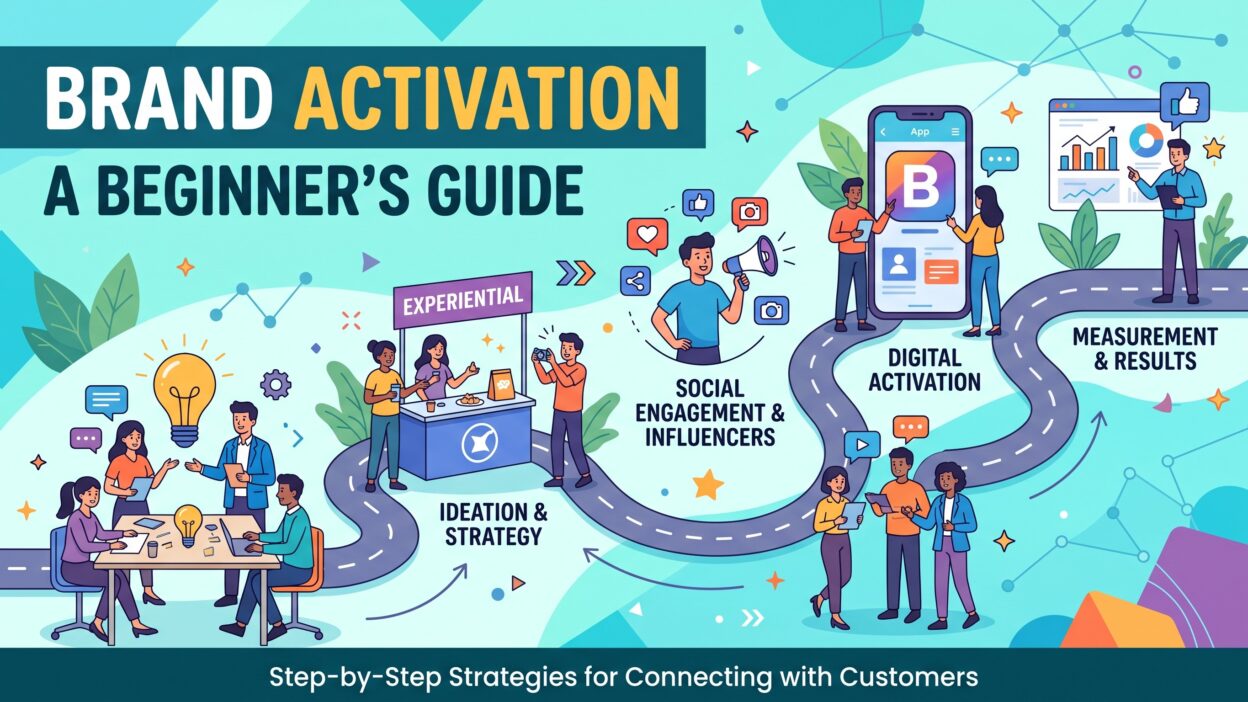
Experiential Marketing Events
Experiential marketing brings a brand to life through a live event. Think product launch parties, festival booths, or branded pop-up shops. Attendees touch, taste, or try something firsthand.
This type of Brand Activation works well for brands with a strong sensory product. Food brands, beauty brands, and tech gadgets all benefit from letting people experience the product directly.
Sampling Campaigns
Sampling lets people try a product before buying it. A free sample removes risk from a buyer’s mind. Once someone tries a product and likes it, purchase decisions come easier.
Sampling works best in high-traffic areas. Grocery stores, malls, and events draw large crowds who might never seek out the brand otherwise.
Social Media Activation
Social media activation invites an audience to participate online. A branded filter, a hashtag challenge, or an interactive poll can spark real engagement. People join because participation feels fun, not forced.
This type of Brand Activation scales fast. A single viral post can reach millions of people, at a cost far lower than a live event.
Guerrilla Marketing
Guerrilla marketing uses surprise and creativity instead of a big budget. A clever street installation or an unexpected stunt in a public space can generate huge buzz. This approach works well for brands willing to take creative risks.
Sponsorships and Partnerships
Brand Activation through sponsorship connects a brand with an event or cause an audience already cares about. A concert sponsorship, a sports partnership, or a charity collaboration lets a brand borrow trust from something the audience already loves.
How to Plan a Brand Activation Campaign
Define a Clear Goal
Every strong Brand Activation campaign starts with one clear goal. Maybe the goal is brand awareness. Maybe it’s lead generation. Maybe it’s simply building loyalty among existing customers.
A clear goal shapes every decision after it. The venue, the message, and the format all depend on what success actually looks like.
Know Your Audience
Brand Activation only works when it speaks to the right people. A campaign built for teenagers looks nothing like a campaign built for business executives. Research your audience’s habits, interests, and daily routines before building anything.
Choose the Right Format
Not every brand needs a giant festival booth. A smaller brand might succeed with a local pop-up shop. A digital-first brand might succeed with an online challenge instead. Match the format to your budget and your audience’s behavior.
Design for Shareability
A strong Brand Activation campaign gets shared without asking. Build a moment worth photographing. Add a visual element people want to post. Give attendees an easy way to tag your brand online.
Measure the Right Metrics
Track more than just attendance numbers. Look at social media mentions, sales lift, and new customer sign-ups. These numbers show whether your Brand Activation campaign actually moved the business forward.
Real World Examples of Brand Activation
Coca-Cola’s personalized bottle campaign let customers find their own names printed on bottles. This simple idea turned a routine purchase into something personal. People shared photos of their bottles across social media for months.
Red Bull built its brand around extreme sports events and stunts. Every event feels like a piece of content waiting to happen. This strategy turned Red Bull into a lifestyle brand, not just an energy drink.
IKEA has used pop-up sleepovers inside its stores to let people experience furniture in a real setting. This kind of Brand Activation lets a product speak for itself, without a single traditional ad.
Common Mistakes Beginners Make With Brand Activation
Many beginners focus only on the event itself and forget the follow-up. A great experience without a clear next step wastes the momentum it built. Always give attendees a simple action to take next.
Some brands try to appeal to everyone at once. A Brand Activation campaign built for a broad, undefined audience usually connects with no one. Narrow the focus instead.
Other beginners skip measurement entirely. Without tracking results, a team cannot tell if the campaign actually worked. Always set metrics before the campaign launches, not after.
Finally, many brands underestimate the value of staff training. The people running a Brand Activation event represent the brand directly. Poor staff interactions can undo even the best campaign concept.
Tools and Resources for Brand Activation
Event management platforms like Eventbrite and Splash help teams organize logistics for live activations. Social listening tools like Sprout Social and Brandwatch track online buzz during and after a campaign. Survey tools like Typeform gather direct feedback from attendees.
These tools help a Brand Activation team plan smarter and measure results with real numbers instead of guesswork.
Frequently Asked Questions
What is Brand Activation in simple terms?
Brand Activation means any campaign built to create a direct, memorable interaction between a brand and its audience. It turns passive viewers into active participants.
How is Brand Activation different from marketing?
Marketing covers every effort to promote a brand, including ads and content. Brand Activation focuses specifically on hands-on experiences that get people to engage directly with a brand.
What makes a Brand Activation campaign successful?
A successful campaign starts with a clear goal, understands its audience deeply, and gives people a reason to share their experience with others.
Do small businesses need Brand Activation?
Yes. Small businesses can run simple, low-budget activations like local pop-ups or social media challenges. Brand Activation works at any budget level, not just for large companies.
How do you measure Brand Activation success?
Track attendance, social media mentions, sales lift, and new customer sign-ups. These metrics show whether the campaign built real business value, not just short-term buzz.
Read More:-10 Best Audience Data Providers of 2026
Conclusion

Brand Activation gives a brand something an ad alone cannot: a real moment people remember. That moment builds trust faster than any billboard or banner ad.
Beginners should start small. Pick one clear goal. Know your audience well. Design something worth sharing. Measure the results honestly, then improve the next campaign based on what you learn.
Done right, Brand Activation turns curious strangers into loyal customers. It builds a brand people talk about, not just one they scroll past.