Introduction
TL;DR Headlines love a villain. An AI recruiter rejecting qualified candidates makes an easy target. The real problem sits one layer deeper. Every AI recruiter learns from data someone else collected. Bad data creates bad decisions, no matter how advanced the system looks. This article walks through what actually went wrong, why the technology gets blamed first, and what companies need to fix before they trust an AI recruiter with real hiring decisions.
Table of Contents
The Real Story Behind the AI Recruiter Debate
News stories about hiring bias almost always point at the software. The software gets the headline. The data behind it rarely gets mentioned. That gap in reporting shapes public opinion in the wrong direction.
Why Everyone Blamed the AI Recruiter
An algorithm feels like a clean scapegoat. It has no feelings to hurt and no lawyer on retainer. Reporters found it easier to write “AI recruiter discriminates against applicants” than to explain years of biased hiring records feeding that same system. The story stuck because it sounded simple. Simple stories spread faster than accurate ones.
What the Data Actually Revealed
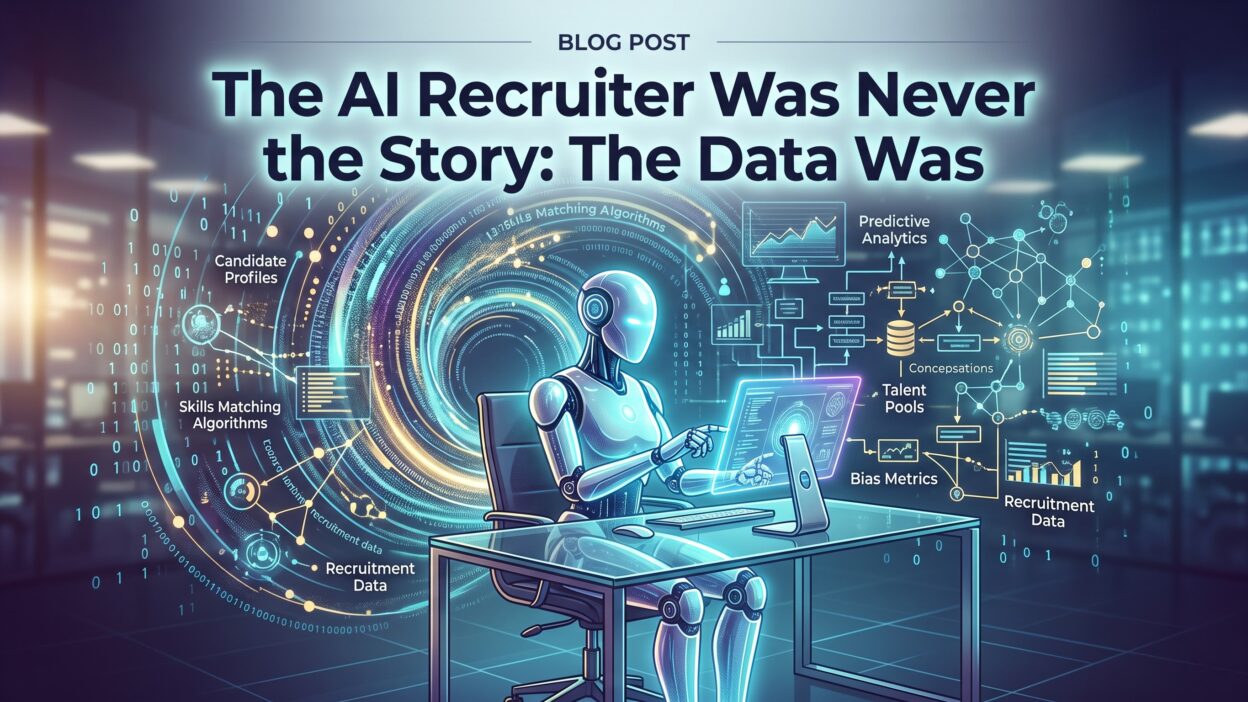
Investigations into flawed hiring algorithms found a consistent pattern. Companies trained their AI recruiter on past hiring decisions. Those past decisions already favored certain schools, certain zip codes, and certain demographics. The AI recruiter did not invent bias. It copied bias that already existed in company records and repeated it at scale.
How AI Recruiter Tools Actually Work
Understanding the mechanics helps explain why data matters so much.
Screening Resumes
An AI recruiter scans resumes for keywords, skills, and experience levels. It compares each resume against patterns from prior successful hires. This step moves fast. A human recruiter might spend hours on the same task an AI recruiter finishes in seconds.
Ranking Candidates
After screening, the system ranks candidates by fit. It scores education, work history, and skill matches against the job description. This ranking guides which resumes a human recruiter reviews first. A poorly trained AI recruiter can push strong candidates to the bottom of that list without anyone noticing.
Automating Interview Scheduling
Many AI recruiter platforms also handle scheduling. They send calendar invites, confirm time zones, and remind candidates before interviews. This function rarely causes controversy. The scheduling piece works well because it depends on simple logistics, not judgment calls about a person’s potential.
The Data Problem Hiding Behind Every AI Recruiter
The screening and ranking functions carry the most risk. Both depend entirely on the quality of the data behind them.
Biased Training Data
An AI recruiter trained on ten years of hiring records inherits every bias buried in those records. If a company historically hired more men for technical roles, the system learns that pattern as normal. It then applies that pattern going forward, even if no one intended it to.
Incomplete Candidate Records
Some candidate data arrives messy or incomplete. Resumes use different formats. Some skip employment gaps without explanation. An AI recruiter working from incomplete records fills gaps with assumptions. Those assumptions do not always favor the candidate.
Outdated Hiring Patterns Baked Into Data
Job requirements change faster than historical hiring data updates. A role that once required a specific degree might not need one anymore. An AI recruiter trained on old records keeps filtering for outdated requirements unless someone actively updates the model.
Why Blaming the AI Recruiter Misses the Point
Fixing the tool without fixing the data solves nothing. Companies that swap one AI recruiter for another without addressing their data face the same outcome twice.
Data Quality Drives Every Decision
Every output from an AI recruiter traces back to its input. Clean, balanced, current data produces fair rankings. Messy, biased, outdated data produces exactly what critics warned about. This is not a mystery. It is basic cause and effect.
Human Oversight Still Matters
Technology handles volume well. It handles judgment poorly. Companies that remove humans entirely from the hiring loop lose the ability to catch mistakes an AI recruiter makes. A trained recruiter reviewing flagged decisions catches patterns a dashboard alone might miss.
Building a Better Data Foundation for AI Recruiter Tools
Fixing this problem starts before the first resume ever gets scanned.
Auditing Data Before Deployment
Companies need to review their historical hiring data before feeding it into any AI recruiter. This audit should flag imbalances in gender, race, age, and education across past hires. Skipping this step guarantees the new system repeats old mistakes.
Setting Clear Data Standards
Standardized resume formats and structured application fields reduce the guesswork an AI recruiter has to do. Clear data standards mean fewer assumptions and fewer errors during screening and ranking.
Testing for Bias Regularly
Bias testing should not happen once. An AI recruiter needs regular checks against real outcomes. Companies should compare who the system recommends against who actually gets interviewed and hired. Gaps between those numbers signal a problem worth fixing immediately.
What Companies Should Do Before Trusting an AI Recruiter
A cautious rollout beats a rushed one every time.
Start Small and Monitor Results
Run a new AI recruiter alongside human recruiters first. Compare their shortlists directly. Differences between the two lists reveal where the system needs adjustment before it handles hiring alone.
Keep Humans in the Loop
Final hiring decisions should stay with people, not software. An AI recruiter can narrow a candidate pool. A person should still make the final call, especially for senior roles or roles with legal hiring requirements.
Review Outcomes Often
Set a schedule for reviewing hiring outcomes tied to the AI recruiter. Monthly reviews catch problems faster than annual ones. Waiting a full year to review results lets bad patterns run unchecked for too long.
The Future of AI Recruiter Technology and Data Accountability
Regulation around hiring algorithms continues to grow. Several regions now require companies to disclose when an AI recruiter plays a role in hiring decisions. This trend will likely expand. Companies that build strong data practices now avoid scrambling later when new rules take effect.
The technology itself keeps improving. Newer AI recruiter systems include built-in bias detection and clearer explanations for their rankings. These upgrades help, but they do not replace the need for clean data. A better engine still needs good fuel. Companies that invest in their data alongside their tools will see the strongest results over the next few years.
Common Mistakes Companies Make With AI Recruiter Tools
Several patterns show up again and again across companies adopting this technology.
Some companies deploy an AI recruiter without ever auditing their historical data first. They assume the software fixes bias automatically. It does the opposite when the underlying data carries bias forward.
Other companies remove human reviewers too early. They trust the system fully within the first few months. This leaves no safety net when the AI recruiter makes an unusual call on a strong candidate.
A third mistake involves ignoring candidate feedback. Applicants often notice when a process feels unfair, even before a company runs its own audit. Companies that dismiss this feedback miss early warning signs their AI recruiter needs adjustment.
Frequently Asked Questions
Does an AI recruiter cause bias in hiring, or does it just reflect existing bias? It mostly reflects bias already present in historical hiring data. The system learns patterns from past decisions and repeats them unless someone corrects the data first.
Can a small company use an AI recruiter safely? Yes, with proper data review. Smaller companies should audit their hiring records just as carefully as large corporations before relying on any AI recruiter tool.
How often should a company test its AI recruiter for bias? Monthly reviews work well for most companies. Waiting longer allows bias patterns to affect more candidates before anyone notices.
Should humans still review every candidate an AI recruiter screens out? Spot-checking rejected candidates regularly helps catch errors early. Full manual review of every rejection is not always practical, but periodic checks matter.
What is the biggest mistake companies make when adopting an AI recruiter? Skipping the data audit before deployment causes the most damage. Companies that fix their data first see far better results than those that fix it after problems appear.
Read More:-What Is Programmatic Advertising? A Guide for B2B Marketers
Conclusion
The AI recruiter made headlines, but the data wrote the real story. A biased system almost always traces back to biased records feeding it from the start. Companies that want fair hiring outcomes need to look past the software and examine what trained it. Clean data, regular bias testing, and steady human oversight turn an AI recruiter into a useful tool instead of a liability. The technology will keep advancing. The responsibility for good data will always stay with the people who build and manage it.