
Why Employee Development Best Practices Matter
TL;DR Employee development covers every effort that helps people grow at work. It includes training, coaching, mentoring, new projects, and honest feedback. It also covers the support a manager gives each week. Good development builds skills. It also builds trust.
The Business Case for Growth
Strong development pays off in plain numbers. Skilled people work faster. They make fewer errors. They solve problems without waiting for help. Customers feel the difference.
Development also protects your budget. Hiring costs money. Onboarding costs time. Lost knowledge costs even more. Employee retention rises when people see a future with you. Fewer exits mean lower costs.
Teams that learn also adapt. Markets shift. Tools change. Roles evolve. A team that keeps learning handles change with calm. A team that stops learning falls behind.
Table of Contents
What Employees Want from Their Employers
Workers say the same thing in survey after survey. They want to learn. They want a path forward. They want a manager who cares about their growth.
Young workers rank growth near the top of their job needs. Experienced workers want fresh challenges. Every age group wants respect for their time and talent. A clear plan shows that respect.
The employee development best practices in this guide meet those needs. They give people direction. They give managers a simple method. They give the company a stronger future.
Best Practice 1: Build Development Around Clear Goals
Growth needs a target. Without one, training feels random. People attend a workshop and forget it by Friday. Clear goals fix that problem.
Start by Finding Skill Gaps
Begin with the business. Ask where the company is heading. Look at the next two years. List the skills those plans demand. Compare that list with the skills your team has today. The difference is your skill gap.
Talk to your people too. Ask what they enjoy. Ask what they find hard. Ask what they want to learn. Their answers often reveal gaps that data misses.
Use simple tools. A short survey works well. So does a one-hour team meeting. Managers can also review recent projects and note where people struggled. Keep the process light. Heavy forms drain energy.
Write a Career Development Plan for Each Person
A career development plan turns goals into action. It lives on one page. It names a role the person wants to reach. It lists the skills needed. It sets dates for each step.
Sit down with each employee. Review the plan together. Let the employee lead the talk. People commit to goals they help write. Managers should listen more than they speak.
Add small milestones. A six-month goal feels distant. A four-week goal feels doable. Small wins build momentum. Momentum builds confidence.
Revisit the plan every quarter. Roles change. Interests shift. A plan that never updates loses value. A living plan stays useful.
Connect Personal Goals to Company Goals
People work harder when their growth serves a bigger mission. Show each employee how their new skills help the company. A support agent who learns data analysis can spot customer trends. A designer who learns basic coding can ship ideas faster.
Share that link out loud. Say it in the plan. Say it in team meetings. Say it when someone finishes a course. Meaning drives effort.
This first step anchors the rest of your employee development best practices. Every later practice works better when the goals are clear.
Best Practice 2: Create a Strong Learning Culture
A learning culture treats curiosity as normal. People ask questions without fear. They share what they learn. They try new methods and report the results. Mistakes become lessons, not blame.
Leaders Set the Tone
Culture starts at the top. Employees watch what leaders do. A leader who reads, studies, and asks questions sends a clear signal. A leader who skips every training session sends the opposite signal.
Share your own learning. Tell the team about a course you took. Admit a mistake and explain what you learned. Honesty from leaders makes honesty safe for everyone.
Fund learning with real money and real time. A policy that says “we value growth” means little without a budget. Even a small yearly allowance per person shows commitment.
Make Learning Part of the Workday
People rarely learn on their own time after a long shift. Build learning into the week instead. Block one hour each Friday for study. Protect that hour as you would protect a client call.
Employee training and development works best in small pieces. Short videos, quick articles, and ten-minute lessons fit busy schedules. Mix formats. Some people love books. Others prefer video. Others learn by doing.
Offer a library of resources. Include online courses, podcasts, and industry reports. Let people pick what suits them. Choice raises motivation.
Encourage Peer Learning
Your best teachers may already work for you. Every employee holds knowledge that others lack. Host short lunch talks. Invite team members to teach one skill in twenty minutes. The speaker grows in confidence. The listeners gain a new skill.
Create channels for sharing. A chat room for tips works well. So does a shared folder of useful guides. Celebrate people who share. Public thanks costs nothing and builds the habit.
Upskilling becomes easier when peers support each other. People stay motivated when friends learn beside them. The employee development best practices you choose should always make room for this kind of shared growth.
Best Practice 3: Pair People with Mentors and Coaches
Courses teach facts. People teach judgment. A mentor passes on lessons that no course can cover. A coach sharpens skills through guided practice. Both roles speed up growth.
How Mentoring Programs Work
A mentor is an experienced colleague. The mentor shares advice, stories, and contacts. The mentee brings questions and goals. The two meet on a steady schedule, often once or twice a month.
Match pairs with care. Look at goals, not only job titles. A junior analyst may gain more from a mentor in another department. Fresh views open new doors.
Give pairs a simple guide. Suggest topics for each meeting. Ask the mentee to set the agenda. Ask the mentor to listen first and advise second. Check in with both people after three months.
Mentoring programs also help the mentor. Senior staff sharpen their leadership skills. They feel valued. They stay engaged. Everyone gains.
Using Coaching to Build Specific Skills
Coaching targets one skill at a time. A coach might help a manager run better meetings. A coach might help a salesperson handle tough objections. The coach observes, asks questions, and gives focused tips.
Managers can coach their own teams. Use open questions. Ask, “What would you try next?” Ask, “What did you notice?” These questions build thinking skills. Giving answers too fast builds dependence.
Hire outside coaches for high-stakes roles. New leaders gain a lot from an outside guide. An outsider offers a safe space to talk through hard choices.
Reverse Mentoring
Some companies flip the model. Younger staff mentor senior leaders on new tools and trends. Leaders learn fresh skills. Younger staff gain visibility and confidence. Both groups break old stereotypes.
Try this with a small pilot. Pick four pairs. Run the program for three months. Collect feedback. Expand if it works.
Best Practice 4: Give Regular, Honest Feedback
Nobody grows in the dark. People need to know what works and what does not. Annual reviews alone fail this need. Twelve months is too long to wait for a comment on someone’s work.
Move from Yearly Reviews to Ongoing Conversations
Schedule a short one-on-one every week or every two weeks. Keep it to thirty minutes. Cover current work, roadblocks, and growth. Let the employee set part of the agenda.
Performance feedback lands best when it arrives soon after the event. Praise a good presentation the same day. Discuss a missed deadline within the week. Fresh details make the talk useful.
Keep a simple log of notes. Write down wins and lessons. These notes make formal reviews easier and fairer. They also protect against memory bias.
Make Feedback Specific and Kind
Vague feedback helps no one. “Good job” feels nice but teaches nothing. Try this instead: “Your slide on customer trends made the case clear. The chart saved us ten minutes of debate.” That comment tells the person what to repeat.
Handle criticism with the same care. Describe the action. Explain the impact. Ask for the employee’s view. Agree on a next step together. Avoid labels like “lazy” or “careless.” Labels attack the person. Descriptions address the work.
Aim for a mix of praise and challenge. People need both. Praise builds trust. Challenge builds skill.
Invite Feedback Upward
Good managers ask for feedback too. Ask your team what you could do better. Ask what blocks their progress. Listen without defending. Thank them for their honesty.
This habit builds trust fast. Employees see that feedback runs both ways. They share ideas more freely. They also give feedback to peers with more skill.
Strong feedback habits sit at the heart of employee development best practices. They turn every workday into a chance to grow.
Best Practice 5: Offer Stretch Assignments and Clear Growth Paths
People grow most when they face a real challenge. Classroom lessons give knowledge. Real projects give experience. Stretch work blends both.
What Stretch Assignments Look Like
A stretch assignment sits just beyond a person’s current skill. It feels a little scary. It also feels exciting. A strong analyst might lead a client presentation. A designer might manage a small project budget. A team member might run a cross-department task force.
Choose tasks with care. The challenge should be real but not overwhelming. Offer support. Assign a mentor or a senior contact. Set check-in dates. Agree on what success looks like.
Accept that mistakes will happen. Treat them as part of the process. Review what went well and what to change. A person who fails safely learns more than a person who never tries.
Job Rotation and Shadowing
Rotation lets people spend a few months in another team. They learn how other parts of the business work. They build new relationships. They return with fresh ideas.
Shadowing is a lighter option. An employee follows a colleague for a day or a week. The employee watches, asks questions, and takes notes. Shadowing costs little and teaches a lot.
Both methods break silos. Teams understand each other better. Projects run smoother.
Show Clear Growth Paths
People leave when they cannot see what comes next. Map out career paths for every major role. Show the skills needed at each level. Show typical timelines. Share salary bands where possible.
Include lateral moves in the map. Not everyone wants to manage people. Some want to become deep experts. Offer a path for specialists as well as managers. Both paths deserve respect and fair pay.
Review the paths with each employee during career talks. Tie the stretch work to the next step on the path. This link makes growth feel real. It also lifts employee retention, because people stay where they can see their future.
How to Measure Employee Development Best Practices
Leaders fund what they can measure. Tracking results proves value and shows where to improve. Start simple. Pick a few clear numbers and watch them over time.
Track Learning Activity
Count course completions, mentoring sessions, and stretch projects. These numbers show participation. Low numbers signal barriers. Ask people what blocks them. Time, access, and unclear value are common causes.
Track Skill Growth
Test skills before and after training. Use short quizzes, project reviews, or manager ratings. Compare the scores. Look for real changes in daily work, not just test results.
Track Business Results
Watch employee retention, internal promotion rates, and engagement scores. Rising numbers suggest your plan works. Look at productivity and customer satisfaction too. Link these figures to specific programs where you can.
Ask for stories as well as data. A manager might say a new coaching habit cut project delays. An employee might say a mentor helped them win a promotion. Stories bring numbers to life.
Review all results every quarter. Share them with leadership. Adjust your approach based on what you see. Measuring employee development best practices keeps your plan honest and your budget safe.
Common Mistakes to Avoid
Some companies launch programs and see little change. Watch for these common traps.
One trap is the one-size-fits-all plan. People differ in goals, pace, and style. A single course rarely suits everyone. Tailor the plan to the person.
Another trap is training without follow-up. A workshop sparks ideas. Without practice, the ideas fade. Ask managers to set a task that applies the new skill within two weeks.
Some leaders treat development as an HR task alone. HR can build the system. Managers must run it daily. Give managers training and time to coach their teams.
Many firms also reserve growth for top performers. This choice leaves out steady contributors who hold the business together. Offer growth to everyone. You may find hidden stars.
Finally, some leaders cut learning budgets first when money gets tight. That move saves little and costs much. Skills fade. Morale drops. Keep a basic learning budget in every season.
Frequently Asked Questions
What are the most important employee development best practices?
Five practices carry the most weight. Set clear goals. Build a learning culture. Offer mentoring and coaching. Give steady feedback. Provide stretch work with visible growth paths. Together these steps cover knowledge, support, and experience.
How much should a company spend on employee training and development?
No single figure fits every firm. Many companies set aside a modest yearly amount per employee and adjust it by role. Start small. Track results. Increase the budget as the value becomes clear. Time is a cost too, so protect learning hours.
How often should managers talk with employees about growth?
Hold a short check-in every week or two. Review the career development plan once a quarter. Hold a deeper career talk once or twice a year. Regular contact keeps goals fresh.
How can small businesses build a learning culture on a tight budget?
Use free and low-cost tools. Host peer lunch talks. Create simple mentoring pairs. Share articles and videos in a team chat. Encourage job shadowing. Culture depends more on habits than on money.
Does employee development really improve retention?
Yes. People stay longer when they see growth. They feel valued. They trust leaders who invest in them. Strong development lowers turnover and cuts hiring costs.
How long does it take to see results?
Some gains appear within weeks. Engagement and confidence often rise first. Skill growth shows within a few months. Retention and promotion numbers shift over a year or more. Stay patient and keep measuring.
Read More:-What Is Automated Lead Qualification?
Conclusion

Growing people grows the business. That truth holds in every industry. Companies that invest in their teams earn loyalty, skill, and strong results.
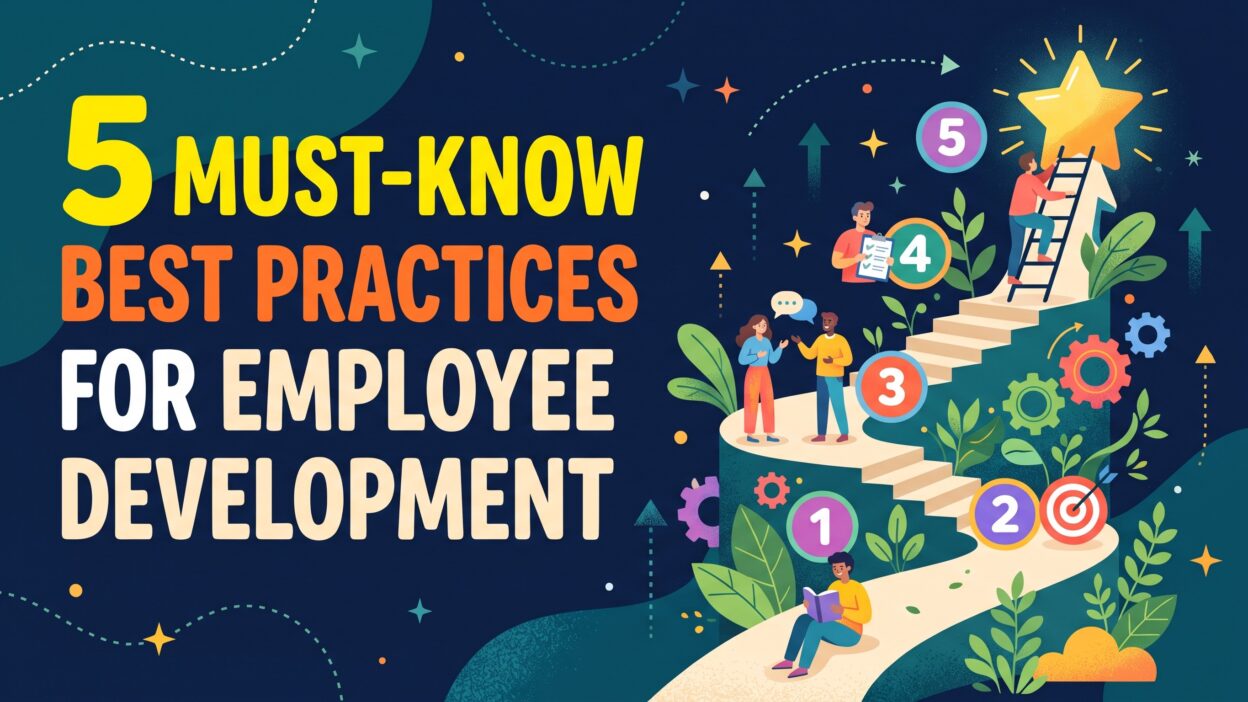
This guide covered five powerful steps. Set clear goals and write a career development plan for each person. Build a learning culture that makes curiosity normal. Pair employees with mentors and coaches. Give regular, honest feedback. Offer stretch work and show clear growth paths. Each step supports the others.
Employee development best practices work when leaders treat them as daily habits, not yearly events. Start now. Your people are ready to grow. Your business will grow with them.