
Introduction
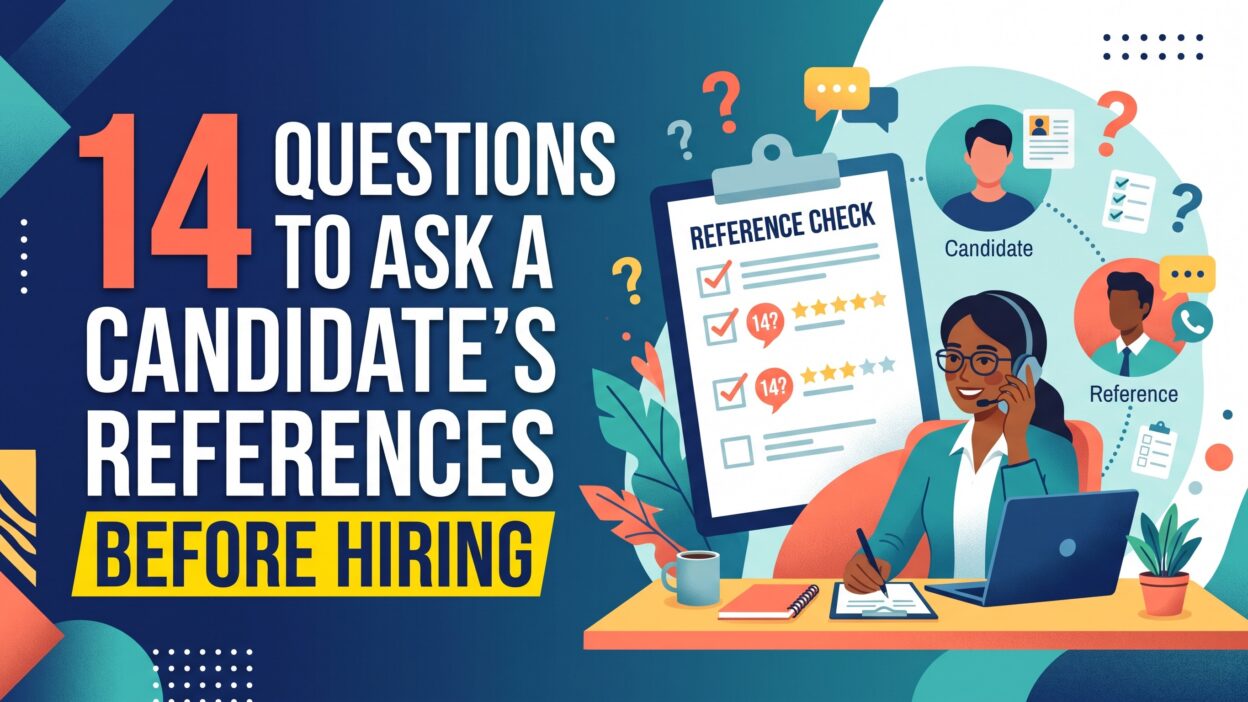
TL;DR Hiring the wrong person costs money. It drains time. It hurts your team. Strong candidate reference questions protect you from that outcome.
You interview the person. You review the résumé. You run the skills test. One step still carries huge weight. You call the people who worked with the candidate. Good candidate reference questions turn that call into real insight.
Many hiring managers rush this step. They ask two or three vague questions. They hear polite answers. They hang up with nothing new. That habit wastes a powerful tool.
Table of Contents
Why Candidate Reference Questions Matter
Résumés show what people want you to see. References show what happened. Candidate reference questions open the door to that truth.
A reference has watched the candidate work. They saw the wins. They saw the mistakes. They know how the person handles pressure, feedback, and change. No interview can match that view.
What an Employment Reference Check Reveals
An employment reference check confirms facts. It checks job titles, dates, and duties. It goes deeper too. It shows work habits, attitude, and growth.
Candidates can polish their interview answers. They cannot polish what a former manager remembers. That gap is where you find the truth.
The Cost of Skipping This Step
A bad hire can cost thousands of dollars. Some estimates put the loss at a large share of the person’s yearly pay. Recruiting costs rise. Training time disappears. Team morale drops.
A ten-minute call can prevent all of that. Strong reference check questions help you spot problems early. They also confirm what you already like about a candidate. You gain confidence before you make the offer.
Who You Should Call for a Reference Check
The right people give the best answers. Choose them with care. Candidate reference questions work best when the person on the phone knows the candidate well.
Direct Managers
Direct managers give the clearest picture. They set goals. They review results. They handle problems. Ask the candidate for at least one former manager.
Peers and Direct Reports
Coworkers see a different side. Peers know how the candidate shares credit. They know how the candidate handles disagreement. Direct reports show leadership style. Ask for these contacts when the role involves managing people.
Clients and Partners
Some roles face outward. Sales, consulting, and account roles need client trust. A client can tell you how the candidate communicates. Ask for one if the role requires it.
Avoid relying only on the list the candidate hands you. Candidates pick friendly names. Ask for a previous employer contact too. Ask for someone who saw the person work in a hard season. That mix gives you honest, balanced answers.
How to Prepare Before the Reference Call
Preparation makes the call smooth. A prepared caller gets better answers. A rushed caller gets small talk.
Get the Candidate’s Permission
Ask the candidate before you call. Get written consent when you can. Most candidates agree without trouble. Permission builds trust. It also protects your company.
Build a Simple Structure
Plan your call in three parts. Open with a short introduction. Ask your main questions. Close with a thank-you. Keep the call under fifteen minutes. Busy people appreciate that.
Write your candidate reference questions before you dial. Tailor them to the role. A software engineer needs different questions than a store manager. Keep a few core questions for every hiring process. Add two or three that match the job.
Set the Right Tone
Start friendly. Explain why you are calling. Tell the reference the role. Tell them the conversation stays confidential. A relaxed reference talks more. Honest talk gives you better data.
Take notes during the call. Write exact words. Mark pauses and hesitation. Tone often says more than words.
The 14 Candidate Reference Questions to Ask Before Hiring
These candidate reference questions cover the full picture. They cover role, skill, character, and fit. Use all 14 or choose the ones that match your role. Each question below includes a reason and a listening tip.
Question 1: How Did You Work With the Candidate?
Start with the relationship. This question sets the context. You learn how long the reference knew the candidate. You learn how closely they worked together.
A manager of three years gives strong data. A coworker from one short project gives limited data. Weigh the answers with that in mind.
Listen for confidence. A reference who knows the candidate well speaks with detail. A reference who barely knows them speaks in general terms. Detail signals real experience. Keep this question short. It opens the door for everything else.
Question 2: What Were the Candidate’s Main Responsibilities?
Compare this answer with the résumé. Job titles can mislead. A “senior manager” at one company may do the work of a team lead elsewhere.
Match the duties to your open role. Look for overlap. Note any gap between the résumé and the reference’s account.
Small differences happen. Large differences matter. A candidate who claims to run a department but only supported it deserves a closer look. This question protects you from inflated claims.
Question 3: What Were the Candidate’s Greatest Strengths?
Every strong employee has standout skills. This question lets the reference brag. Most references enjoy sharing praise.
Listen for specific examples. “She is great” tells you nothing. “She rebuilt our onboarding process in six weeks” tells you plenty. Ask for a story if the answer stays vague.
Compare the strengths to your role. A candidate with great creative skills may struggle in a detail-heavy job. Strong candidate reference questions help you match the person to the position. This one does that well.
Question 4: What Areas Could the Candidate Improve?
Everyone has weak spots. A good reference will name one. This question tests honesty.
Pay attention to how the reference answers. A calm, specific answer shows trust. A long pause may show hidden concerns. A reference who says “nothing at all” may hold back.
Do not panic over small weaknesses. A candidate who needs to speak up more in meetings is fine for many jobs. A candidate who misses deadlines is a problem for most jobs. Judge each weakness against your needs.
Question 5: How Did the Candidate Handle Pressure and Deadlines?
Every workplace has stress. Some people thrive. Others freeze. This question shows which type you are hiring.
Ask for a real example. Ask about a tight deadline or a crisis. Listen to how the candidate acted. Did the person stay calm? Did the person ask for help? Did the person deliver?
Reliable people handle pressure with steady focus. They communicate early when problems arise. They do not hide trouble. That behavior builds trust on any team. These reference check questions reveal habits that interviews rarely expose.
Question 6: How Did the Candidate Work With Others?
Skills matter. Teamwork matters just as much. One difficult person can damage a whole group.
Ask about collaboration. Ask how the candidate treated coworkers. Ask how the candidate handled conflict. Listen for words like “helpful,” “respectful,” and “reliable.”
Listen for warning signs too. Phrases like “kept to himself” or “had strong opinions” may signal friction. Follow up with a gentle question. Ask for an example. Honest examples reveal real culture fit. This question belongs in every employment reference check.
Question 7: How Did the Candidate Respond to Feedback?
Growth depends on feedback. Some people welcome it. Others resist it. You want to know before you hire.
Ask the reference to describe a time they gave tough feedback. Ask how the candidate reacted. Did the person listen? Did the person change?
A coachable employee improves fast. A defensive employee drains a manager’s energy. Strong candidate reference questions test coachability directly. The answer often predicts how the person will grow in your company. Take notes on the exact examples. They help you plan the onboarding conversation.
Question 8: Can You Describe the Candidate’s Work Ethic and Reliability?
Reliability keeps a team running. Ask about attendance. Ask about punctuality. Ask about follow-through.
Listen for patterns. A reference who says “always on time” gives a strong signal. A reference who hesitates gives a different one.
Ask whether the candidate kept promises. Ask whether the candidate finished tasks without reminders. Self-driven people save managers hours each week. Look for proof of ownership. Look for examples of extra effort. A strong work ethic shows up in small daily habits, and references see them.
Question 9: What Was the Candidate’s Biggest Accomplishment?
Achievements show impact. Ask the reference to share the candidate’s proudest win. Ask for numbers when possible.
Compare the story to the candidate’s own account. The stories should match. Candidates sometimes take credit for team results. A reference can clarify who did what.
Listen for the candidate’s role in the win. Did the person lead? Did the person support? Both can be valuable. Your role decides which one matters. This question also gives you strong material for the final interview round.
Question 10: How Did the Candidate Communicate?
Clear communication prevents mistakes. Ask about written and spoken skills. Ask about updates, emails, and meetings.
Some roles need polished presentations. Some roles need quick, clear messages. Match the answer to your job.
Listen for details. Did the candidate share bad news early? Did the candidate explain complex ideas simply? Did the candidate listen well? Communication affects every other skill on this list. Add this to your list of candidate reference questions for any role that involves teamwork or clients.
Question 11: Did the Candidate Show Leadership or Initiative?
Leadership appears at every level. Ask about initiative. Ask whether the candidate solved problems without being asked.
A leader does not need a title. A leader steps up. A leader mentors others. A leader improves processes.
Ask for examples. Ask what the candidate started, fixed, or improved. Ask whether coworkers looked to the candidate for guidance. If you hire for a management role, dig deeper. Ask how the candidate handled hiring, firing, or coaching. Strong answers include clear stories and clear results.
Question 12: Why Did the Candidate Leave Your Company?
Departures tell stories. Ask this question calmly. Do not sound suspicious.
Compare the answer to what the candidate told you. Stories should match. A candidate who says “I left for growth” should have a reference who agrees.
Mismatch deserves attention. A reference who gives a short, tense answer may hide a problem. Stay neutral and let silence work. People often fill quiet moments with more detail. Reference check questions about departures often uncover the most honest information in the whole call.
Question 13: Would You Hire the Candidate Again?
This question carries more weight than any other. It is direct. It is simple. It shows the reference’s true feeling.
Listen to the first second. A quick “yes, absolutely” is a great sign. A pause is a warning. A hesitant “maybe” deserves a follow-up.
Ask why. Ask under what conditions the reference would hire the person again. Good references explain with warmth and detail. Weak references offer vague, short replies. Many hiring teams treat this one question as the deciding factor. It sums up everything the reference knows.
Question 14: Is There Anything Else I Should Know?
End with an open door. This question invites the reference to share what you missed. People often save their most useful comments for this moment.
Stay quiet after you ask. Give the reference room to think. Many share a key story at this point.
Some references add praise. Some add concerns. Both help you. Close the call with a sincere thank-you. Respect the reference’s time. A warm ending keeps the relationship positive. That matters for your company’s reputation in the hiring community.
Red Flags to Watch for During a Reference Call
Listening matters as much as asking. Red flags often hide in tone and timing.
Hesitation and Short Answers
A long pause can speak loudly. So can a one-word reply. References who feel uncomfortable often shorten their answers. Ask a gentle follow-up. Give them space.
Refusal to Answer
Some companies limit what staff can say. Many confirm only dates and titles. That policy is common. Respect it. Ask a peer or former manager at another level for more detail.
Mismatched Stories
Compare every answer to the résumé and interview. Dates should match. Duties should match. Reasons for leaving should match. A mismatch does not prove dishonesty. It proves you need to ask more questions.
Lukewarm Praise
Faint praise matters. Phrases like “he was fine” or “she did the job” signal a lack of enthusiasm. Great employees earn strong words. Treat lukewarm comments as a signal to dig deeper with additional candidate reference questions.
Legal and Ethical Rules for Reference Checks
Reference checks carry legal duties. Follow them carefully. Rules vary by country and state, so check local law.
Stay Job-Related
Ask only about job performance. Avoid questions about age, religion, family plans, health, or background. Those topics can create discrimination risk. Stick to skills, behavior, and results. Strong candidate reference questions stay focused on work.
Keep Information Confidential
Share what you learn only with the hiring team. Do not repeat details outside the group. Store notes in a secure place. Treat every call as private.
Treat Every Candidate the Same
Use the same core questions for each finalist. Consistency keeps the process fair. It also makes comparison easier. Document each call in writing. Good records protect you if someone challenges your decision.
Respect Candidate Consent
Always tell candidates you will check references. Honor any request to skip a current employer until an offer is near. Many people fear that a call will reveal their job search. A respectful approach keeps good candidates in your pipeline.
Tips to Get More Honest Answers From References
Honest answers need a safe space. A few habits help.
Ask Open-Ended Questions
Avoid yes-or-no formats. Ask “what” and “how.” Ask “tell me about a time.” Open questions invite stories. Stories reveal the truth.
Use Follow-Ups
Short follow-ups work well. Try “Can you give an example?” or “What happened next?” These prompts turn general praise into useful detail.
Listen More Than You Talk
Aim to speak about twenty percent of the call. Let the reference lead. Silence feels awkward. Silence also produces answers. Resist the urge to fill every pause.
Compare Several References
One reference gives one view. Three references give a pattern. Patterns matter. A single negative comment may reflect a personality clash. Three similar comments reflect a real trait. Plan for at least three calls on every finalist.
Document Everything
Write notes during the call. Review them right after. Rate the answers using a simple scale. Share the notes with your hiring team. A repeatable process improves every future hiring decision. Smart teams update their candidate reference questions each year based on what they learn.
Frequently Asked Questions About Candidate Reference Questions
How many references should I check before hiring?
Check at least three. Choose a mix of managers, peers, and, when it fits, clients. Three references show patterns. One reference shows only one opinion.
When should I run the reference check in the hiring process?
Run it after the final interview. Run it before you extend the offer. Some teams run it after a conditional offer. Both approaches work. Just keep the timing consistent for every candidate.
What if a previous employer refuses to give a reference?
Many companies share only dates and titles. Accept that limit. Ask the candidate for a former coworker or client. Look at professional networking profiles for mutual contacts. Several sources give you a fuller picture.
Can I ask a reference about salary or personal life?
Avoid personal topics. Do not ask about family, health, age, or beliefs. Ask only about job performance and conduct. Salary questions depend on local law. Many regions limit them. Ask your legal advisor for guidance.
How long should a reference call take?
Plan for ten to fifteen minutes. Respect the reference’s schedule. Prepare your candidate reference questions in advance. A focused call gets better answers than a long, wandering one.
What are the best reference check questions for remote workers?
Ask about communication, self-management, and reliability. Ask how the candidate handled deadlines without direct supervision. Ask about response times and collaboration across time zones. Remote success depends on trust and clear habits.
Read More:-Use ReachOut to Increase Touchpoints and Win Over Prospective Candidates
Conclusion
A strong hire starts with strong information. References give you that information. They show you the person behind the résumé.
You now have 14 powerful questions. They cover role, strengths, weaknesses, pressure, teamwork, feedback, reliability, results, communication, leadership, departure, and rehire. Each one reveals a piece of the puzzle. Together they form a clear picture.
Prepare before every call. Choose the right people. Ask open questions. Listen closely. Watch for red flags. Follow legal rules. Compare several voices before you decide.