Introduction
TL;DR Sales teams waste countless hours chasing leads that never convert. Your best prospects slip through the cracks while reps focus on unqualified contacts. The solution lies in implementing AI-driven customer lead scoring models that predict which leads deserve immediate attention. These intelligent systems analyze thousands of data points to identify buying signals human teams might miss. Modern B2B organizations rely on machine learning to prioritize their sales pipeline effectively. The right scoring model transforms raw prospect data into actionable intelligence. Your revenue growth depends on connecting with high-intent buyers at the perfect moment.
Table of Contents
Understanding AI Lead Scoring Fundamentals
What Makes AI Lead Scoring Different
Traditional lead scoring relies on manual point assignment based on demographic and behavioral factors. Sales operations teams create arbitrary rules like “10 points for opening an email” or “25 points for attending a webinar.” This approach lacks nuance and fails to adapt to changing buyer behaviors. AI-driven customer lead scoring models learn from historical conversion data automatically. Machine learning algorithms detect patterns that human analysts cannot perceive in large datasets. The system continuously refines its predictions based on new information and outcomes. Your scoring accuracy improves over time without manual intervention or rule adjustments.
Core Components of Modern Scoring Systems
Effective scoring models combine multiple data sources into a unified prediction framework. Demographic information provides baseline context about company size, industry, and job titles. Behavioral data tracks engagement across email, website visits, content downloads, and social media. Firmographic details reveal budget capacity, technology stack, and organizational structure. Intent signals capture active research behaviors like comparing vendors or reading pricing pages. AI-driven customer lead scoring models synthesize these diverse inputs into a single probability score. The model weighs each factor according to its actual correlation with closed-won deals.
The Science Behind Predictive Algorithms
Machine learning models identify complex relationships between variables that simple logic cannot capture. Regression algorithms calculate the statistical likelihood of conversion based on feature combinations. Classification methods segment leads into categories like hot, warm, or cold prospects. Neural networks process non-linear patterns in behavioral sequences and timing. Ensemble techniques combine multiple algorithms to improve prediction accuracy and reduce bias. Your scoring system learns which factors truly drive conversions in your specific market. The algorithms adjust automatically as your ideal customer profile evolves over time.
Benefits That Drive ROI
Implementing sophisticated scoring delivers measurable improvements across sales and marketing operations. Sales teams focus their energy on prospects with the highest conversion probability. Marketing campaigns target lookalike audiences based on top-scoring lead characteristics. Conversion rates increase when reps prioritize the right contacts at optimal times. Sales cycles shorten because teams engage buyers when intent signals peak. Customer acquisition costs decrease through more efficient resource allocation. AI-driven customer lead scoring models typically generate 3-5x ROI within the first year.
Types of AI-Driven Customer Lead Scoring Models
Predictive Lead Scoring Models
Predictive models use historical data to forecast future conversion likelihood for new prospects. The system analyzes thousands of past leads to identify patterns associated with closed deals. Machine learning algorithms discover which combinations of attributes predict success most accurately. These models calculate a probability score typically ranging from 0-100 for each lead. Sales teams receive clear guidance on which prospects deserve immediate outreach. Predictive AI-driven customer lead scoring models work best when you have substantial historical data. Organizations need at least 6-12 months of conversion history to train reliable models.
Lookalike Modeling Approaches
Lookalike models identify new prospects that resemble your best existing customers. The algorithm analyzes characteristics shared by high-value accounts in your customer base. Your marketing team targets prospects matching these successful customer profiles. This approach works exceptionally well for account-based marketing campaigns. Lookalike scoring helps you expand into new markets while maintaining ideal customer fit. The model continuously updates as you acquire new customers and gather more data. AI-driven customer lead scoring models using lookalike algorithms reduce wasted ad spend significantly.
Intent-Based Scoring Systems
Intent scoring focuses specifically on behavioral signals indicating active purchase consideration. The system tracks prospects researching solutions, comparing vendors, and consuming bottom-funnel content. Real-time activity triggers score adjustments as prospects exhibit buying behaviors. Intent data comes from your owned properties and third-party provider networks. High-intent leads receive immediate routing to sales representatives for rapid follow-up. This approach captures prospects during critical decision-making windows when they’re most receptive. Intent-based AI-driven customer lead scoring models excel at shortening sales cycles dramatically.
Engagement Scoring Mechanisms
Engagement models measure the depth and consistency of prospect interactions with your brand. The system assigns weights to different engagement types based on conversion correlation. Multiple touches across various channels indicate stronger interest than single interactions. Scoring accounts for engagement velocity and recency in addition to cumulative activity. Prospects showing sustained engagement over time rank higher than one-off interactions. Sales teams understand relationship strength before initiating outreach conversations. Engagement-focused AI-driven customer lead scoring models help nurture prospects until they reach sales-ready status.
Hybrid Scoring Frameworks
Sophisticated organizations combine multiple scoring methodologies into unified hybrid systems. These frameworks blend predictive analytics with real-time intent and engagement scoring. Demographic fit establishes a baseline score that behavioral activity modifies dynamically. The hybrid approach captures both long-term conversion probability and immediate buying intent. Your sales team benefits from comprehensive visibility into lead quality and timing. Hybrid AI-driven customer lead scoring models deliver superior accuracy compared to single-method approaches. Implementation requires more complex data infrastructure but generates proportionally better results.
Essential Features of Effective Scoring Models
Real-Time Data Processing Capabilities
Modern scoring systems must process and score leads instantly as new information arrives. Batch scoring that updates overnight misses critical buying signals and competitive opportunities. Real-time engines ingest data streams from multiple sources simultaneously. Score calculations complete within milliseconds to enable immediate action. Sales representatives receive alerts when lead scores cross critical thresholds. Your CRM reflects current scores without manual refreshes or data synchronization delays. Real-time processing separates high-performing AI-driven customer lead scoring models from outdated alternatives.
Integration with Existing Tech Stacks
Scoring models must connect seamlessly with your CRM, marketing automation, and sales engagement platforms. Native integrations eliminate data silos and ensure consistent scoring across systems. APIs enable custom connections to proprietary tools and databases. Bidirectional data flow keeps all platforms synchronized automatically. Sales teams access scores directly within their normal workflows without switching applications. Marketing platforms use scores to trigger campaigns and segment audiences dynamically. Integration depth determines how effectively teams can leverage AI-driven customer lead scoring models daily.
Transparent Scoring Logic
Black-box algorithms that provide scores without explanation create trust issues with sales teams. Effective models reveal which factors contributed to each lead’s score. Representatives understand why certain prospects rank higher than others. Transparency enables sales coaching and helps reps prioritize effectively during calls. Marketing teams identify which campaigns and content drive the highest-quality leads. Explainable AI builds confidence and adoption across the organization. Transparent AI-driven customer lead scoring models gain faster user acceptance and deliver better utilization rates.
Continuous Learning and Adaptation
Static models quickly become obsolete as markets evolve and buyer behaviors shift. Self-learning systems retrain automatically using new conversion data regularly. The algorithm detects changing patterns and adjusts feature weights accordingly. Model performance metrics track accuracy over time to flag degradation. Automated retraining schedules ensure scoring remains relevant without manual intervention. Your system adapts to seasonal variations and market disruptions automatically. Continuous learning makes AI-driven customer lead scoring models resilient and reliable long-term.
Customization and Flexibility
Every B2B organization has unique sales processes, customer profiles, and conversion definitions. Cookie-cutter scoring models fail to account for industry-specific buying behaviors. Effective systems allow customization of features, weights, and scoring thresholds. Sales operations teams can define what constitutes a qualified lead in their context. The model accommodates multiple product lines with different customer characteristics. Custom scoring rules complement machine learning predictions when needed. Flexible AI-driven customer lead scoring models align with your specific business requirements.
Implementing Your Lead Scoring Strategy
Defining Conversion Goals and Metrics
Successful implementation begins with clearly defining what outcomes you want to predict. Some organizations optimize for closed-won revenue while others prioritize sales-qualified lead creation. Your definition of success determines which historical data trains the model. Marketing-qualified leads and sales-accepted leads represent different conversion milestones. Choose metrics that align with your sales process stages and compensation structures. Document conversion criteria explicitly so data scientists build appropriate models. Clear goal definition ensures AI-driven customer lead scoring models solve the right business problems.
Gathering and Preparing Training Data
Quality scoring models require substantial historical data spanning multiple sales cycles. Collect at least 12-24 months of lead and opportunity data from your CRM. Include demographic attributes, behavioral engagement, and final conversion outcomes. Clean the dataset by removing duplicates, incomplete records, and obvious data quality issues. Ensure consistent field definitions and value formats across the entire historical dataset. Label each record with clear conversion status and dates. Comprehensive data preparation determines the maximum accuracy your AI-driven customer lead scoring models can achieve.
Selecting the Right Scoring Platform
Numerous vendors offer scoring solutions ranging from simple tools to enterprise platforms. Evaluate options based on integration capabilities, algorithm sophistication, and ease of use. Consider whether you need a standalone scoring tool or CRM-native functionality. Cloud-based platforms offer faster deployment than on-premise installations. Open-source frameworks provide maximum customization but require internal data science expertise. Vendor support quality and implementation services vary significantly across providers. Platform selection profoundly impacts how quickly you realize value from AI-driven customer lead scoring models.
Training and Testing Your Model
Data scientists split historical data into training and validation sets. The algorithm learns patterns from the training data without seeing validation records. Model performance testing uses the validation set to simulate real-world prediction accuracy. Iterate on feature selection, algorithm choice, and hyperparameters until achieving acceptable accuracy. Aim for at least 70-80% accuracy in predicting conversions before deployment. Test the model against recent data to verify performance on current leads. Thorough testing prevents deploying AI-driven customer lead scoring models that misguide sales teams.
Rolling Out to Sales and Marketing Teams
Successful adoption requires careful change management and comprehensive training. Explain how scoring works and what factors influence predictions. Demonstrate concrete examples showing why certain leads score higher than others. Establish clear processes for how sales should use scores in daily activities. Create scoring thresholds that trigger specific actions like immediate calls or nurture campaigns. Collect feedback during the initial rollout period and address concerns promptly. Strong change management determines whether teams actually use AI-driven customer lead scoring models effectively.
Monitoring Performance and Making Adjustments
Track model accuracy by comparing predicted scores against actual conversion outcomes. Monitor scoring distribution to ensure the model differentiates effectively between lead qualities. Analyze which features contribute most to predictions and verify they align with business intuition. Identify segments where the model underperforms and investigate root causes. Schedule regular model retraining with new data to maintain accuracy. Adjust scoring thresholds based on sales capacity and conversion rate targets. Ongoing monitoring keeps AI-driven customer lead scoring models performing optimally.
Industry-Specific Scoring Considerations
Enterprise Software and SaaS
Software sales cycles involve multiple stakeholders and lengthy evaluation periods. Scoring models must account for organizational complexity and consensus-building dynamics. Technology stack compatibility and integration requirements heavily influence purchase decisions. Free trial behavior and product usage patterns provide strong conversion signals. Company growth trajectory and funding status predict expansion potential. AI-driven customer lead scoring models for software should emphasize intent data and engagement depth.
Professional Services and Consulting
Services firms focus on relationship strength and project-based buying cycles. Past client success stories and case study relevance influence prospect interest. Decision-maker seniority and budget authority matter more than company size alone. Proposal requests and RFP responses represent clear buying signals worth heavy weighting. Geographic proximity affects service delivery and relationship development. Scoring models for services need different AI-driven customer lead scoring models than product companies.
Manufacturing and Industrial Equipment
Manufacturing buyers conduct extensive research before expensive equipment purchases. Technical specifications and production capacity needs drive purchasing decisions. Existing equipment age and maintenance history predict replacement timing. Trade show attendance and industry publication engagement indicate active shopping. Procurement processes and capital budget cycles create predictable buying windows. Industrial AI-driven customer lead scoring models should incorporate longer sales cycles and seasonal patterns.
Financial Services and Insurance
Regulatory compliance requirements constrain how financial firms can use customer data. Life events like job changes, marriages, and home purchases trigger insurance needs. Credit scores and income levels determine product eligibility and loan amounts. Existing policy renewal dates create natural sales opportunities. Channel preferences vary significantly between consumer segments. Financial services need specialized AI-driven customer lead scoring models that respect privacy regulations.
Common Implementation Challenges
Data Quality and Completeness Issues
Incomplete CRM records undermine scoring accuracy and limit model effectiveness. Missing demographic fields prevent proper lead qualification and segmentation. Inconsistent data entry creates noise that confuses machine learning algorithms. Duplicate records inflate activity levels and skew behavioral scoring. Your data hygiene directly determines how well AI-driven customer lead scoring models perform. Invest in data cleanup before implementing sophisticated scoring systems.
Insufficient Historical Data
Accurate models require hundreds or thousands of historical conversions for training. Startups and new business units lack the conversion history needed for reliable predictions. Limited data forces reliance on simpler rule-based scoring initially. Organizations can supplement internal data with industry benchmarks and lookalike modeling. Data volume constraints limit the complexity of AI-driven customer lead scoring models you can deploy. Plan for gradual sophistication increases as your conversion history grows.
Sales Team Resistance and Adoption
Representatives sometimes distrust algorithmic recommendations that contradict their gut instincts. Veteran sellers may resist changing established prospecting and prioritization habits. Lack of transparency about scoring logic breeds skepticism and disengagement. Poor integration forces reps to check scores in separate systems they avoid. Sales leadership must champion AI-driven customer lead scoring models and model adoption behavior. Address resistance through training, transparency, and demonstrating early wins.
Model Bias and Fairness Concerns
Machine learning algorithms can perpetuate biases present in historical training data. Models might unfairly penalize demographic groups if past practices introduced bias. Scoring systems should focus on behavioral and intent signals rather than demographic attributes. Regular audits identify potential bias in feature weights and prediction patterns. Diverse training data and careful feature selection mitigate bias risks. Organizations must ensure AI-driven customer lead scoring models align with ethical sales practices.
Integration and Technical Complexity
Connecting scoring platforms with legacy systems often requires custom development work. Real-time scoring demands robust data pipelines and infrastructure investments. Multiple data sources need standardization and consistent formatting. API limitations restrict the frequency and volume of data synchronization. Technical complexity delays implementation timelines and increases costs. Adequate IT resources and expertise determine successful deployment of AI-driven customer lead scoring models.
Advanced Optimization Techniques
Feature Engineering for Better Predictions
Raw data rarely produces optimal scoring accuracy without thoughtful feature creation. Derive engagement velocity metrics by calculating activity frequency over time windows. Create recency features that capture how recently prospects exhibited key behaviors. Calculate ratios like email open rate instead of raw open counts. Combine related attributes into composite features representing broader concepts. Feature engineering significantly improves AI-driven customer lead scoring models beyond basic implementations.
Ensemble Methods and Model Stacking
Combining predictions from multiple algorithms often outperforms single-model approaches. Ensemble techniques average scores from different models to reduce individual algorithm weaknesses. Stacking uses one model’s predictions as inputs to another model layer. Weighted voting gives more influence to historically accurate algorithms. Ensemble approaches improve robustness and accuracy simultaneously. Sophisticated AI-driven customer lead scoring models leverage multiple algorithms working together.
Time-Series Analysis for Behavioral Patterns
Lead behavior evolves over time in patterns that predict conversion likelihood. Time-series models identify characteristic engagement sequences preceding purchases. Analyzing behavioral trends reveals acceleration or deceleration in buyer interest. Sequence analysis detects which content consumption paths lead to sales conversations. Temporal features capture weekly and monthly patterns in prospect activity. Time-aware AI-driven customer lead scoring models outperform static snapshot approaches.
Account-Level Scoring for B2B Contexts
Individual lead scoring misses the collaborative nature of B2B buying committees. Account-based scoring aggregates signals across all contacts within a target organization. Multiple engaged stakeholders indicate stronger organizational interest than single-threaded relationships. Scoring models track buying committee assembly and role coverage. Account scores reflect collective engagement and organizational buying stage. Account-centric AI-driven customer lead scoring models better reflect complex B2B sales realities.
Measuring Success and ROI
Key Performance Indicators
Track conversion rate improvements by comparing scored versus unscored lead performance. Monitor sales cycle length reduction for high-scoring leads versus historical averages. Measure sales efficiency gains by calculating revenue per sales representative. Calculate cost per acquisition changes attributable to better lead prioritization. Analyze marketing ROI improvements from targeting high-scoring prospect profiles. KPIs demonstrate the business impact of implementing AI-driven customer lead scoring models.
A/B Testing Scoring Approaches
Run controlled experiments comparing different scoring methodologies against each other. Split your sales team with some using scores and others following traditional methods. Test various scoring thresholds to find optimal balance between volume and quality. Compare model versions to validate improvements before full deployment. A/B testing provides statistical proof of value from AI-driven customer lead scoring models. Data-driven optimization beats intuition when refining scoring strategies.
Sales Team Feedback Mechanisms
Collect qualitative input from representatives about scoring accuracy and usefulness. Track how often reps override score recommendations and why. Identify patterns in score disagreement that reveal model blind spots. Gather suggestions for additional data sources that might improve predictions. Sales feedback keeps AI-driven customer lead scoring models aligned with frontline reality. Create regular forums for reps to discuss scoring system performance.
Financial Impact Analysis
Calculate revenue attributed to leads that wouldn’t have received attention without scoring. Estimate opportunity costs avoided by deprioritizing low-scoring prospects earlier. Measure marketing budget efficiency gains from targeting score-alike audiences. Quantify sales capacity unlocked by eliminating time spent on unlikely conversions. Financial analysis justifies continued investment in AI-driven customer lead scoring models. Executive stakeholders need clear ROI documentation to maintain program support.
Future Trends in Lead Scoring
Conversational AI and Natural Language Processing
Modern systems analyze sales call transcripts and email content for sentiment and buying signals. Natural language processing detects urgency, objections, and competitive mentions in communications. Conversational AI scores the quality of sales interactions and coaching opportunities. Voice analysis identifies emotional states indicating readiness to purchase. NLP expands the data available for AI-driven customer lead scoring models dramatically.
Predictive Analytics Evolution
Next-generation models predict not just conversion likelihood but also deal size and timing. Prescriptive analytics recommend specific actions to increase conversion probability. Systems forecast which leads will churn or downgrade before purchase. Predictive models identify cross-sell and upsell opportunities within existing customers. Advanced analytics push AI-driven customer lead scoring models beyond simple prioritization.
Privacy-First Scoring Approaches
Increasing data regulations require scoring methods that respect user privacy. First-party data becomes more valuable as third-party cookies disappear. Privacy-preserving machine learning enables model training without exposing individual records. Consent management integration ensures scoring complies with GDPR and similar laws. Privacy considerations shape the next generation of AI-driven customer lead scoring models.
No-Code Scoring Platforms
Democratization enables sales operations teams to build models without data science expertise. Visual interfaces allow drag-and-drop feature selection and model configuration. Automated machine learning handles algorithm selection and hyperparameter tuning. Pre-built templates accelerate deployment for common use cases. Accessibility improvements help more organizations benefit from AI-driven customer lead scoring models.
Read More:-Salesforce Einstein vs. HubSpot AI: Which CRM Automation Wins for Small Business?
Conclusion

B2B sales teams can no longer afford to treat all leads equally. Revenue growth demands intelligent prioritization based on actual conversion probability. AI-driven customer lead scoring models separate high-intent prospects from tire-kickers automatically. These systems analyze patterns across thousands of attributes that humans cannot process manually. Your sales representatives focus their limited time on opportunities most likely to close. Marketing investments target audiences resembling your best customers.
The journey from basic rule-based scoring to sophisticated AI models requires commitment. Start by defining clear conversion goals and gathering comprehensive historical data. Select platforms that integrate seamlessly with your existing sales and marketing technology. Train models using proven machine learning techniques and validate accuracy rigorously. Roll out gradually with strong change management and continuous feedback loops. Monitor performance religiously and retrain models as markets evolve.
Different scoring methodologies suit various business contexts and data availability. Predictive models work best when you have substantial conversion history. Lookalike approaches excel for expanding into new markets efficiently. Intent-based systems capture prospects during active buying windows. Hybrid frameworks combine multiple methods for maximum accuracy. Choose approaches that match your specific sales motion and customer journey.
Success requires more than just technology implementation. Sales teams must trust and adopt scoring recommendations in daily workflows. Transparent algorithms that explain predictions build confidence and usage. Integration quality determines whether reps actually see scores when they need them. Organizations that treat AI-driven customer lead scoring models as strategic initiatives achieve transformative results. Those viewing scoring as just another tool often see disappointing outcomes.
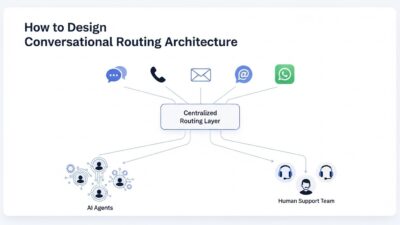
The competitive advantage goes to companies that act on lead intelligence faster. Real-time scoring enables immediate engagement when buying intent peaks. Automated lead routing connects prospects with the right representatives instantly. Your win rates increase when sales conversations happen at perfect moments. Customer acquisition costs plummet as efficiency gains compound over time.
Investment in AI-driven customer lead scoring models delivers measurable returns quickly. Most organizations see positive ROI within 6-12 months of deployment. Conversion rates improve by 20-50% when sales focuses on high-scoring leads. Sales cycles shorten by up to 30% through better timing and prioritization. Marketing efficiency gains free up budget for expansion into new channels.
The future of B2B sales belongs to data-driven organizations. Scoring sophistication will continue advancing with new algorithms and data sources. Conversational AI and natural language processing will unlock deeper behavioral insights. Privacy-first approaches will enable powerful predictions while respecting user rights. No-code platforms will democratize access to enterprise-grade scoring capabilities.
Start your scoring journey today by auditing your current data quality and completeness. Engage stakeholders across sales, marketing, and operations in defining requirements. Evaluate vendors based on your specific integration needs and technical constraints. Run pilot programs to prove value before enterprise-wide deployment. Your competition is already using AI-driven customer lead scoring models to win deals faster. Delay means lost revenue and diminished market position in an increasingly competitive landscape.